Ukraine's SBU Detains Russian Agent Who Activated Over 1,000 Starlink Terminals
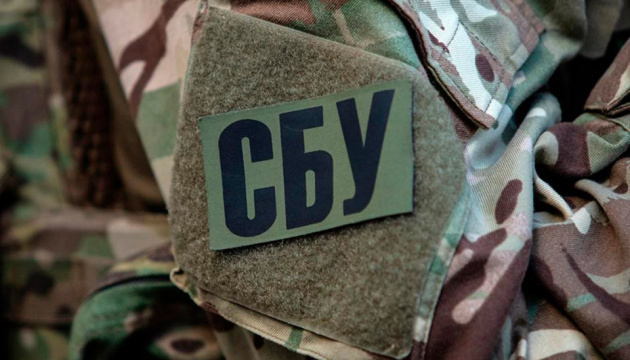
Ukraine's military counterintelligence service, the SBU, has apprehended a Russian agent in the city of Dnipro. This individual is accused of activating more than 1,000 Starlink satellite internet terminals for the enemy. The SBU's operation successfully disrupted the agent's activities, preventing further unauthorized use of the crucial communication technology by Russian forces. The detention highlights ongoing efforts by Ukrainian security services to counter Russian intelligence operations and sabotage attempts within Ukraine. Starlink terminals have become a vital communication tool for Ukraine's defense forces since the full-scale invasion by Russia began in February 2022. The ability to quickly deploy and activate these terminals is critical for maintaining communication in challenging battlefield conditions. The SBU's success in this case underscores the importance of vigilance against espionage and the exploitation of advanced technologies by adversaries.
The reported detention of an individual accused of activating over 1,000 Starlink terminals for Russian forces raises questions about the security protocols surrounding the deployment and activation of such critical infrastructure. While the SBU's action appears to be a successful counterintelligence operation, it points to potential vulnerabilities in supply chains or activation processes that could be exploited. Future considerations for technology providers and security agencies might include enhanced end-user verification, robust monitoring of activation patterns, and stronger cybersecurity measures to prevent unauthorized access and misuse of satellite communication systems. Understanding the incentive structures and operational methods of actors seeking to disrupt or co-opt advanced technologies is crucial for developing more resilient defense mechanisms in the evolving landscape of modern warfare.
AI-generated to prompt reflection — not editorial opinion, not advice, not a statement of fact. How this works.