Ukraine's Zelensky Considers Replacing Army Chief Oleksandr Syrsky Amid Drone War Disputes
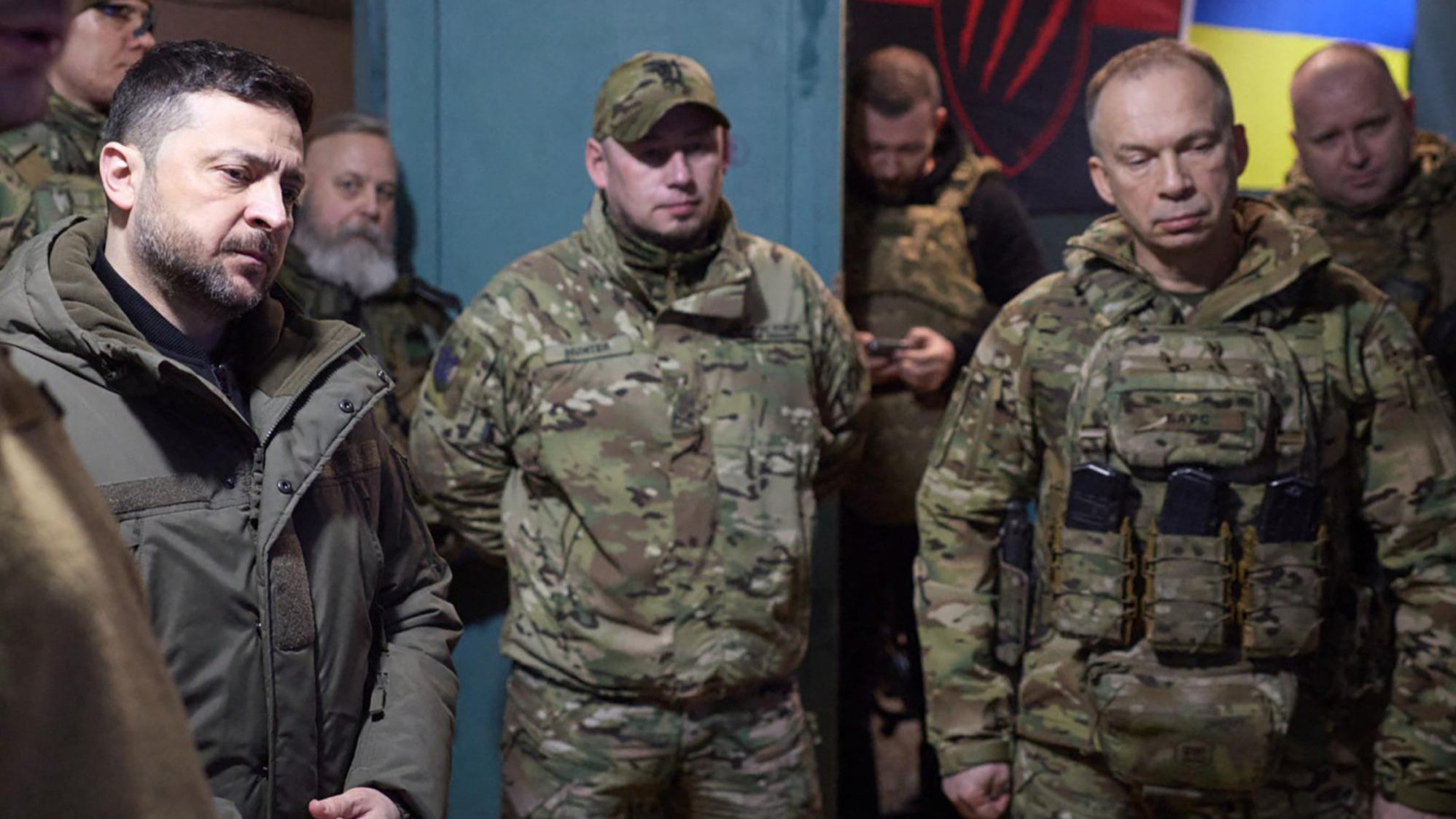
Ukrainian President Volodymyr Zelensky is reportedly contemplating a change in leadership for the nation's armed forces, specifically considering the removal of General Oleksandr Syrsky, the Commander-in-Chief. This potential shift comes amidst reported tensions and disagreements concerning the strategic direction of the war, particularly regarding drone warfare. Syrsky's position has reportedly been challenged by figures within the government, including Mykhaïlo Fedorov, the popular Minister of Defense. Fedorov is a prominent advocate for the advancement and deployment of drone technology in the conflict. The dispute highlights differing views on military strategy and resource allocation as Ukraine continues its defense against the ongoing Russian invasion. The situation suggests a potential divergence in strategic priorities between the military leadership and key civilian officials overseeing the defense effort. The outcome of this deliberation could significantly impact Ukraine's military command structure and its approach to future combat operations.
The reported consideration of replacing General Syrsky signals potential strategic disagreements within Ukraine's war effort, particularly concerning the prioritization and integration of drone technology. Such leadership changes, while potentially aimed at optimizing military effectiveness, can also introduce command instability during a critical conflict. The differing perspectives between military command and civilian leadership, as exemplified by the Minister of Defense's advocacy for drone warfare, underscore the complex governance challenges inherent in wartime resource allocation and strategic planning. Navigating these internal dynamics will be crucial for maintaining national resilience and adapting to evolving battlefield realities over the next decade, where technological advancements like drone warfare are projected to play an increasingly dominant role.
AI-generated to prompt reflection — not editorial opinion, not advice, not a statement of fact. How this works.