Ukraine Security Service Documents Russian Drone Attacks with Depleted Uranium Components
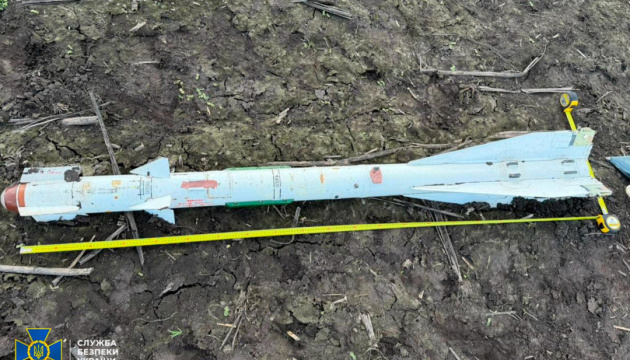
Ukraine's Security Service (SBU) has documented two new instances of Russia using munitions containing depleted uranium components in "Geran-2" type strike drones. These drones were employed in attacks on the Sumy region in April 2026. The counter-intelligence and investigative units of the SBU have recorded these facts, indicating a potential escalation in the types of ordnance being deployed. The specific nature of these components and their impact are now under scrutiny by Ukrainian authorities. This development raises concerns about the long-term environmental and health implications of such weaponized materials. The SBU's findings are part of an ongoing effort to gather evidence of alleged Russian war crimes and violations of international humanitarian law. The Sumy region has been a frequent target of Russian attacks since the full-scale invasion began. Further details regarding the exact composition and quantity of the depleted uranium elements are expected to be released as the investigation progresses.
The documented use of depleted uranium components in Russian drones targeting Ukraine's Sumy region represents a significant escalation in warfare tactics. This deployment raises critical questions regarding adherence to international conventions on the use of weapons with potential long-term environmental and health consequences. The strategic incentive for Russia to employ such materials may lie in psychological impact or perceived tactical advantage, though the actual effectiveness and risks associated with these components require thorough, independent verification. From a future-oriented perspective, this event highlights the evolving nature of conflict in the digital age, where advanced drone technology is combined with novel and potentially hazardous munitions. International bodies and scientific communities will need to address the implications for arms control and environmental security, focusing on establishing clear protocols and deterrents against the use of materials with such enduring risks.
AI-generated to prompt reflection — not editorial opinion, not advice, not a statement of fact. How this works.