Ukraine Strikes Key Oil Terminal in Russia's St. Petersburg
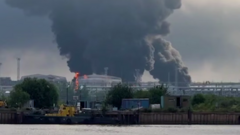
Ukraine has targeted a significant oil terminal located in Russia's St. Petersburg, a major port city. President Volodymyr Zelensky of Ukraine stated that the attacked infrastructure is crucial for generating revenue that funds Russia's ongoing war efforts. This action represents a strategic escalation by Ukraine, aiming to disrupt Russia's economic capacity to sustain its military operations. The strike on St. Petersburg, a vital hub for Russian trade and industry, underscores Ukraine's expanding reach and its determination to inflict economic pressure on Moscow. The specific details of the attack, including the extent of damage and the precise terminal affected, have not yet been fully disclosed. However, the acknowledgment by President Zelensky highlights the deliberate nature of the targeting, focusing on assets that directly contribute to the war economy. This development is likely to have implications for global energy markets and further intensify the conflict.
This event highlights the evolving nature of the conflict, with Ukraine demonstrating an increasing capability to strike strategic economic targets deep within Russian territory. The targeting of oil infrastructure, a key revenue generator for the Russian state, represents a calculated move to impede the financing of the war. Such actions raise questions about the potential for escalation and the broader implications for global energy security. From a strategic perspective, the effectiveness of these strikes will depend on their frequency, scale, and the resilience of Russian infrastructure. The international community will likely monitor the response from both sides and the impact on oil prices and supply chains. This incident underscores the complex interplay between military action, economic warfare, and geopolitical stability in the current global landscape.
AI-generated to prompt reflection — not editorial opinion, not advice, not a statement of fact. How this works.