Ukraine Strikes Russian Oil Facilities Near St. Petersburg
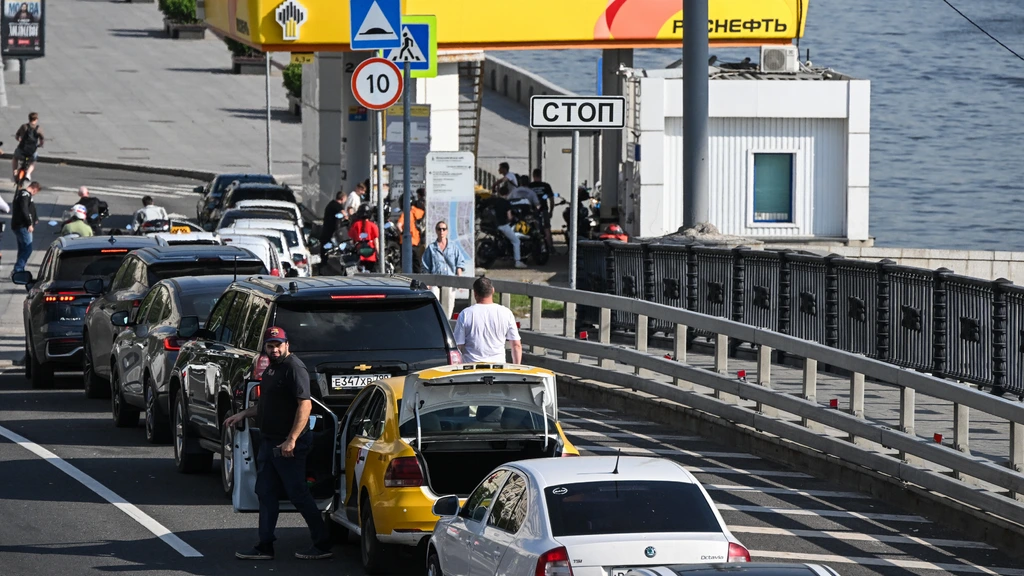
Ukraine launched large-scale attacks on Russian oil installations near St. Petersburg overnight, according to both Russian and Ukrainian authorities. Reports indicate that a port and an oil terminal were among the targets. Debris from a drone reportedly fell in the port of Vysotsk, located on the Gulf of Finland, which hosts a major oil terminal and handles significant volumes of oil, grain, and LNG. President Zelensky announced on X that Ukraine also conducted strikes against the Russian naval base in Kronstadt. The governor of the Leningrad region stated that a total of 72 drones were intercepted, and confirmed no casualties. This escalation follows a recent increase in Ukrainian attacks on Russian energy infrastructure, which has reportedly caused fuel shortages in parts of Russia, a situation acknowledged by Russian President Putin, leading to long queues at gas stations, including in Moscow. St. Petersburg, Russia's second-largest city, is located hundreds of kilometers from Ukrainian-controlled territory and has been targeted by drones previously. In contrast, Russian airstrikes on the Ukrainian city of Sumy resulted in at least four deaths, including a 5-year-old child and her mother, and injured 27 people. Multiple apartment buildings and shops were reportedly hit in Sumy, with glide bombs being used in the attack. These events occurred amidst ongoing conflict, with Russia also conducting attacks on Ukraine yesterday, resulting in six deaths, and President Putin's claim of capturing the industrial city of Kostiantynivka in the Donbas, which a Ukrainian official denied.
This event highlights the escalating strategic targeting of energy infrastructure by Ukraine, aiming to disrupt Russia's economic capacity and potentially influence global energy markets. The attacks on facilities near St. Petersburg, a major logistical and industrial hub, demonstrate Ukraine's expanding reach and capability. Conversely, Russia's retaliatory strikes on Ukrainian cities, including the use of glide bombs and resulting civilian casualties, underscore the devastating humanitarian toll of the conflict. From a systemic perspective, the reciprocal targeting of critical infrastructure raises questions about the long-term stability of energy supplies and the potential for wider regional destabilization. The international community faces the challenge of navigating these escalations while seeking pathways toward de-escalation and a resolution that addresses the underlying causes of the conflict and mitigates further civilian suffering.
AI-generated to prompt reflection — not editorial opinion, not advice, not a statement of fact. How this works.