Ukraine to Expedite Permits for Exhumations of Polish Victims
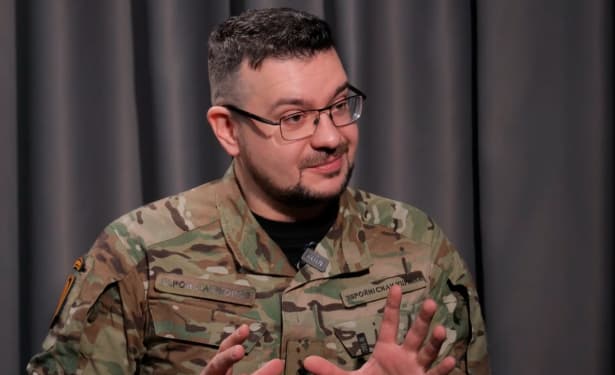
The head of the Ukrainian Institute of National Remembrance (UINP), Anton Drobovych, announced that permits for new exhumations of Polish victims will be issued almost immediately. This decision aims to streamline the process for investigating historical events and honoring victims. The UINP plays a crucial role in managing historical memory and facilitating research into sensitive periods of Ukrainian and Polish history. The expedited permit system is expected to improve cooperation between Ukrainian and Polish authorities and researchers. This move signifies a commitment to addressing unresolved historical grievances and fostering a more transparent approach to historical investigations. The specific timeline for "almost immediately" was not detailed, but the intent is to remove bureaucratic delays. The UINP's mandate includes the study and preservation of national memory, making such decisions critical for historical reconciliation. This development is likely to be welcomed by Polish organizations and families seeking closure and historical clarity regarding past events.
The expedited issuance of permits for exhumations of Polish victims by the Ukrainian Institute of National Remembrance signals a potential shift in the approach to managing historical memory and inter-state relations. By reducing bureaucratic hurdles, Ukraine may be seeking to foster goodwill and address historical sensitivities, particularly concerning Polish-Ukrainian relations. This proactive stance could be driven by an understanding of the long-term importance of historical reconciliation for regional stability and integration. The move also reflects a broader trend where nations are increasingly re-evaluating and re-engaging with their past, especially in the context of evolving geopolitical landscapes. The effectiveness of this policy will depend on its consistent application and the continued commitment to transparency and mutual respect in historical research.
AI-generated to prompt reflection — not editorial opinion, not advice, not a statement of fact. How this works.