Ukraine to Join Four of Five New EU Joint Defense Projects
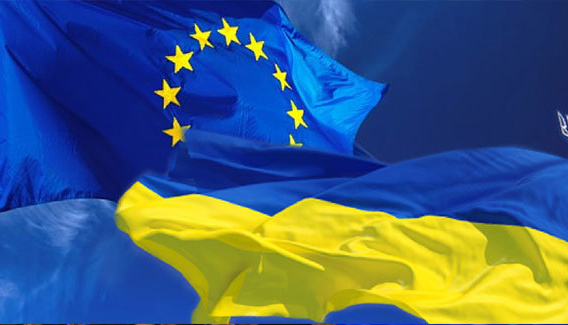
The European Commission has proposed five new large-scale projects, designated as European Defence Projects of Common Interest (EDPCI), aimed at enhancing the defense capabilities of EU member states. These initiatives focus on the collaborative development of crucial military systems. Ukraine has confirmed its participation in four out of these five proposed projects. The EDPCI framework is designed to foster greater cooperation and integration within the European defense sector, encouraging joint procurement and development to achieve greater efficiency and interoperability. This move signifies a deepening of Ukraine's defense ties with the European Union, extending beyond existing security assistance programs. The specific nature of the four projects Ukraine will join has not yet been detailed, but the participation suggests a strategic alignment in defense priorities. The overarching goal of the EDPCI is to bolster the EU's strategic autonomy and its capacity to respond to security challenges collectively. By participating in these joint development efforts, Ukraine is expected to benefit from shared technological advancements and increased production capabilities.
Ukraine's participation in four of the five proposed European Defence Projects of Common Interest (EDPCI) signals a significant step towards integrating its defense industry with EU structures. This initiative, driven by the EU's ambition for greater strategic autonomy, presents an opportunity for Ukraine to access advanced technologies and foster collaborative development, potentially enhancing its long-term defense capabilities. From a systemic perspective, this collaboration could lead to greater standardization and interoperability between Ukrainian forces and EU member states, streamlining future joint operations and procurement. The projects aim to leverage collective investment and research, addressing the complex security landscape of the next decade. The success of these initiatives will depend on effective governance, equitable burden-sharing, and the ability to navigate diverse national interests within the EU framework, while ensuring that Ukraine's contributions are recognized and integrated effectively.
AI-generated to prompt reflection — not editorial opinion, not advice, not a statement of fact. How this works.