Ukrainian Drone Strikes Cripple Nearly Half of Russia's Oil Refining Capacity
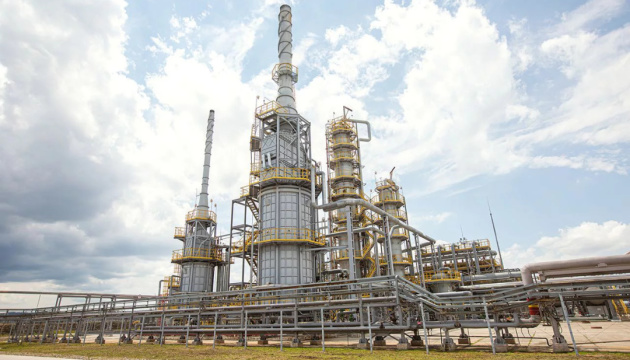
Ukraine's long-range drone attacks have successfully disabled 45% of Russia's nominal oil refining capacity. This action has triggered the most significant fuel crisis in Russia since the dissolution of the Soviet Union. The strikes have targeted key infrastructure, severely impacting the nation's ability to process crude oil. The resulting disruption is expected to have far-reaching consequences for both domestic fuel supply and Russia's global energy market position. This development marks a critical escalation in the ongoing conflict, demonstrating Ukraine's capacity to inflict substantial economic damage on its adversary.
The strategic targeting of Russia's oil refining infrastructure by Ukrainian drones represents a significant shift in the conflict's economic dimension. By disrupting approximately 45% of the nation's processing capacity, Ukraine is leveraging asymmetric warfare to exert pressure on Russia's revenue streams and domestic stability. This approach highlights the vulnerability of critical energy infrastructure to technologically advanced, low-cost attacks. The resulting fuel crisis could have cascading effects on Russia's economy, potentially impacting its ability to fund its military operations and manage internal social pressures. Future geopolitical strategies may need to account for the increasing efficacy of drone technology in challenging established energy powers.
AI-generated to prompt reflection — not editorial opinion, not advice, not a statement of fact. How this works.