Ukrainian Drones Strike Oil Terminal and Port Near St. Petersburg
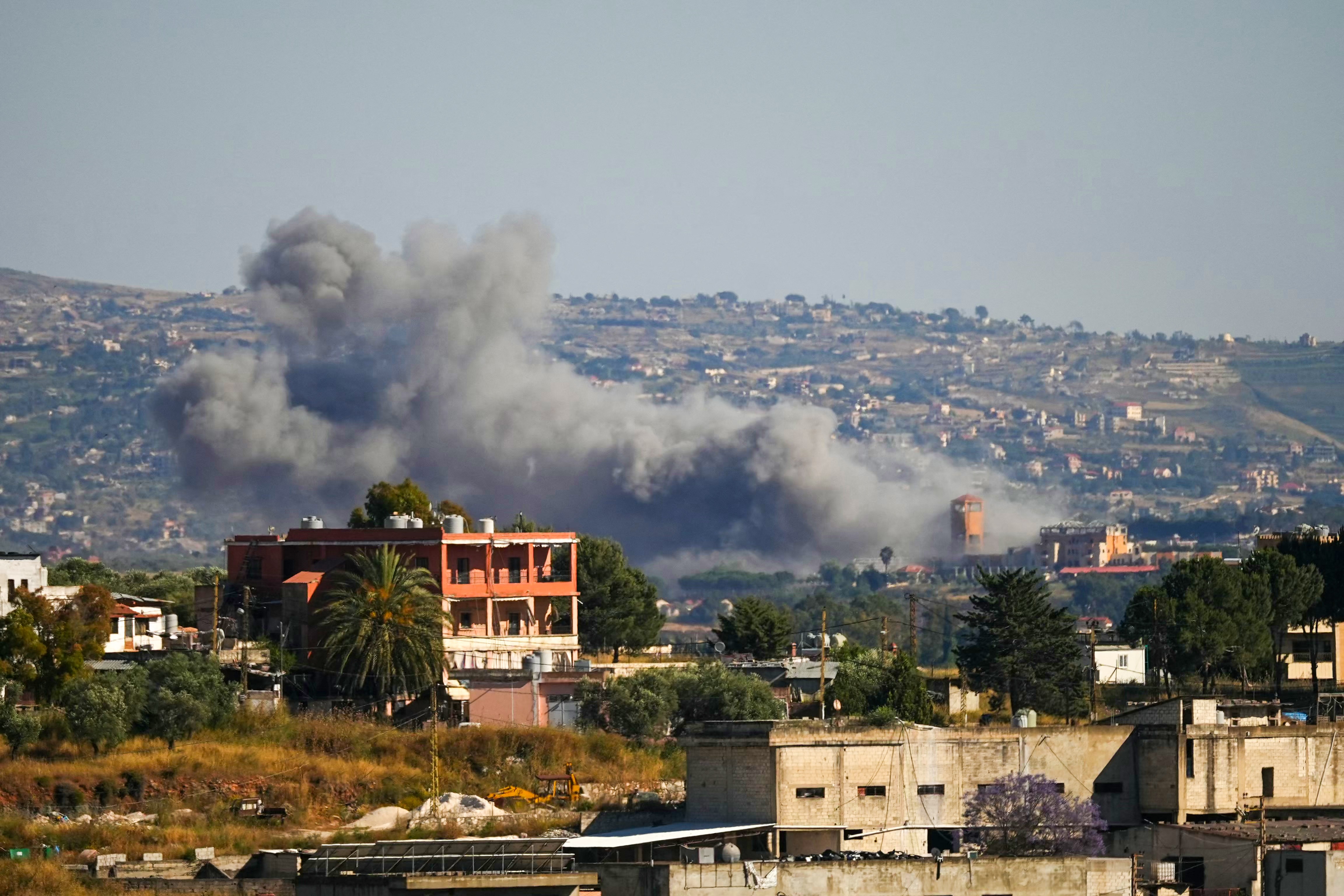
Ukrainian drones launched a large-scale overnight attack on Saturday, targeting a local port and an oil terminal in Russia's second-largest city, St. Petersburg. Governor Alexander Beglov of St. Petersburg confirmed the oil terminal was hit but reported no casualties and that the situation was under control. In the neighboring Leningrad region, Governor Alexander Drozdenko stated that 72 drones were shot down and that a drone struck the port area of Vysotsk, a Baltic Sea port handling oil, grain, coal, and LNG, approximately 170 kilometers northwest of St. Petersburg. Drozdenko mentioned light damage in several settlements but did not specify the impact on the Vysotsk port. Ukrainian President Volodymyr Zelensky claimed responsibility, stating that Ukrainian defense forces hit port oil infrastructure generating revenue for Russia's war and also attacked Kronstadt, a significant military target over 850 kilometers from Ukraine's border. Russia has not confirmed any strike on Kronstadt, a naval base near St. Petersburg that Ukraine previously attacked in June. This year, Ukraine has intensified attacks on Russian energy infrastructure, causing substantial damage to refineries and contributing to gasoline shortages. On the same Saturday, President Vladimir Putin signed changes to the tax code aimed at supporting the domestic fuel market with tax incentives for high-octane gasoline production. Long queues at gas stations were observed in Gatchina, Leningrad region, with some stations out of fuel, causing frustration among residents. In other Russian regions, drone attacks in Bryansk and Crimea resulted in one death and several injuries in each location. Additionally, over 30 drones were reportedly shot down over the Pskov region, causing minor damage and some injuries, including at a factory in Velikiye Luki.
The reported drone attacks on Russian oil and port infrastructure near St. Petersburg, as well as other regions, represent a strategic escalation by Ukraine targeting economic and military assets. By focusing on energy infrastructure, Ukraine aims to disrupt Russia's revenue streams and potentially impact domestic fuel supply, as evidenced by observed gasoline shortages and public concern. Russia's response, including tax incentives for domestic fuel production and large-scale drone interceptions, highlights the economic pressures and defensive challenges posed by these persistent attacks. The targeting of port facilities, which handle vital commodities like oil and LNG, suggests an intent to disrupt global supply chains alongside domestic impact. This ongoing dynamic underscores the interconnectedness of geopolitical conflict with global energy markets and the increasing reliance on drone technology in modern warfare, posing long-term questions about energy security and infrastructure resilience.
AI-generated to prompt reflection — not editorial opinion, not advice, not a statement of fact. How this works.