Ukrainian Families Face Difficulties Rebuilding Lives and Reuniting Amidst War
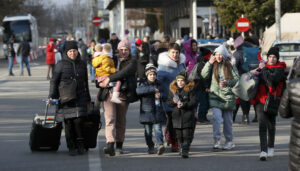
The ongoing war in Ukraine has not only redrawn front lines but also fractured family ties that have held parents, children, siblings, and extended relatives together for decades. Behind the statistics of refugees and displaced persons lies a crisis that is harder to quantify: families living apart for years, unable to travel safely and without a clear path toward reunification. The struggle to return home and rebuild is proving to be one of the most arduous battles for Ukrainian families. The conflict has created deep divisions, forcing individuals to make difficult choices about safety, livelihood, and the future of their family units. Many face prolonged separation, uncertainty about when or if they can return to their homes, and the emotional toll of being apart from loved ones. Reestablishing a sense of normalcy and connection is a significant challenge for those affected by the war. The long-term consequences of this displacement and separation are profound, impacting social structures and individual well-being.
The war's impact extends beyond territorial control to the fundamental social fabric of family structures, highlighting the profound human cost of prolonged conflict. The inability of families to reunite due to safety concerns and lack of clear pathways underscores systemic challenges in humanitarian aid and post-conflict reconstruction planning. Future strategies must prioritize not only physical security but also the psychological and social dimensions of displacement, recognizing that family reunification is a critical component of recovery and stability. The long-term societal implications of fractured families warrant consideration in international policy and aid allocation, as rebuilding communities requires strong, cohesive family units.
AI-generated to prompt reflection — not editorial opinion, not advice, not a statement of fact. How this works.