Ukrainian refugees in Hoorn face losing pets due to relocation
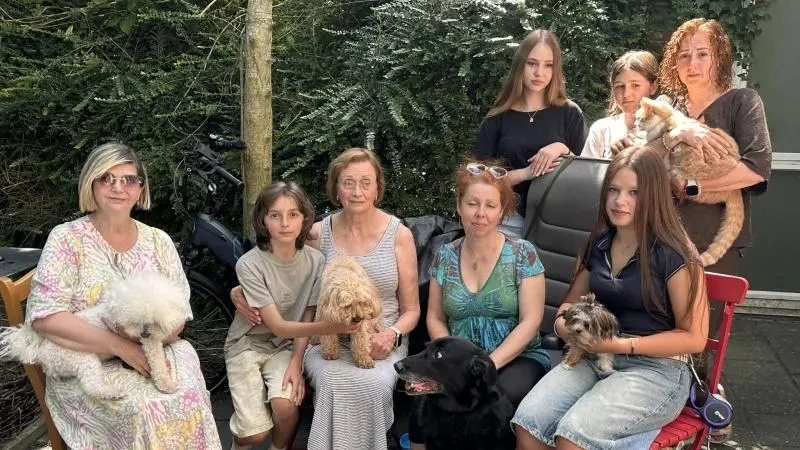
Eight Ukrainian families in Hoorn, Netherlands, are likely to be forced to give up their pets as they prepare to move to a new temporary shelter in September. The families currently reside with their dogs and cats in apartment buildings that are slated for demolition. The new accommodation is a vacant section of the municipal building, where pets are prohibited. The municipality cited reasons of safety, well-being, and health, such as allergies, for all residents in a shared living environment. While pets were permitted in their current demolition-bound housing, new municipal shelter rules will not allow them. This policy mirrors that of the Central Agency for the Reception of Asylum Seekers (COA), which generally prohibits pets in its facilities, though Ukrainian refugees are typically housed by municipalities directly. Some municipal shelters, like one in Haren, Groningen, do permit pets, housing around 100 animals alongside 270 refugees. Former veterinarian and volunteer Caroline Ebens criticized Hoorn's decision as unacceptable and inhumane, particularly for a vulnerable population that has already endured significant hardship. Ilona, a 16-year-old refugee, expressed deep sadness over potentially losing her cat, a cherished family member. Local political party Sociaal Hoorn has raised the issue twice with the municipal council, with council member Roger Tonnaer calling the municipality's stance "false" and a "dead end." The municipality maintains the pet ban is not arbitrary but based on health, safety, and welfare considerations, stating that alternative solutions like separating residents or modifying the building are logistically, organizationally, and financially unfeasible and would not sufficiently address the concerns.
The municipality of Hoorn's decision to prohibit pets for Ukrainian refugees relocating to a new shelter highlights a systemic tension between humanitarian support and regulatory constraints. While the municipality cites valid concerns regarding health, safety, and the well-being of all residents in a shared living space, the policy's impact on a vulnerable population already experiencing profound displacement and trauma warrants careful consideration. The emotional bond with pets can be a critical source of comfort and stability during periods of extreme stress. The municipality's assertion that alternative solutions are unfeasible, despite the relatively small number of pets involved (eight), suggests a potential inflexibility in adapting existing protocols to unique humanitarian circumstances. Future approaches to refugee housing could benefit from exploring more adaptable models that integrate pet-friendly options where feasible, acknowledging the significant psychological benefits pets provide, particularly for individuals who have lost so much. This situation underscores the need for a more nuanced approach to shelter regulations that balances community welfare with the psychological needs of displaced individuals, potentially through designated pet-friendly zones or partnerships with animal welfare organizations.
AI-generated to prompt reflection — not editorial opinion, not advice, not a statement of fact. How this works.