Ulcinj Saltworks Collapse Costs Tens of Millions of Euros
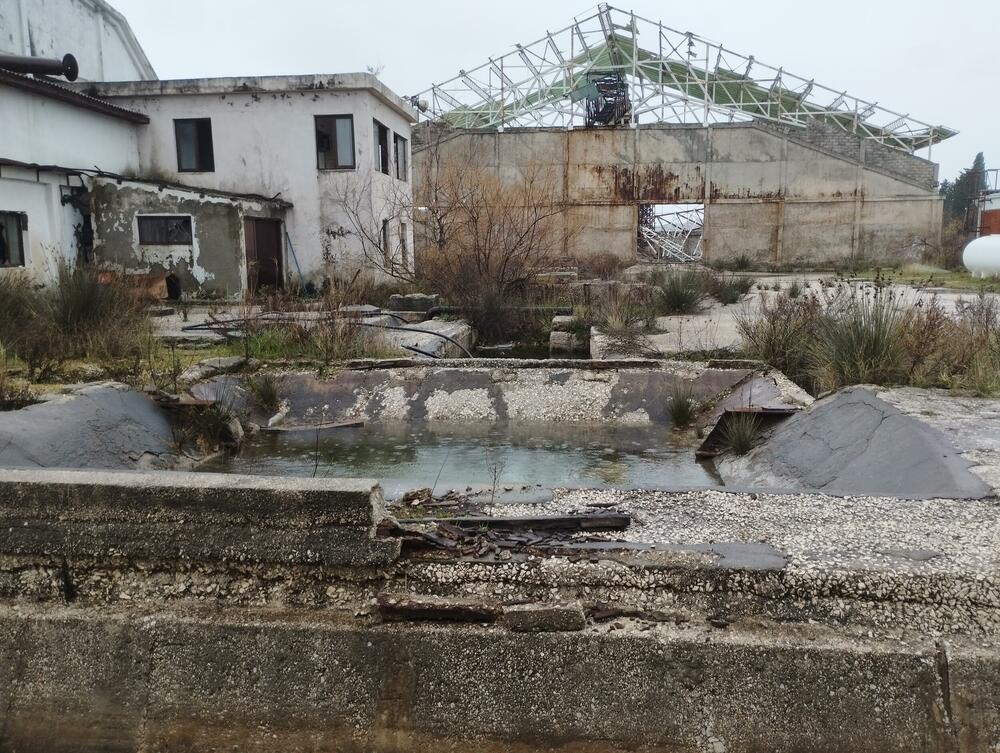
The Ulcinj Saltworks, a historically resilient industrial site in Montenegro, has ceased production after surviving wars, occupations, and earthquakes. Its demise is attributed to a combination of factors including poor privatization, bankruptcy proceedings, the sale of equipment, and years of state neglect. The economic consequences of this collapse are now estimated to be in the tens of millions of euros. The saltworks, once a significant economic entity, has been unable to overcome these challenges, leading to the permanent shutdown of its operations. This situation highlights a broader issue of industrial decline and the impact of mismanagement on valuable national assets. The financial toll of the saltworks' failure underscores the loss of production capacity and potential revenue for the region. The legacy of the Ulcinj Saltworks serves as a case study in the vulnerability of industrial infrastructure to policy failures and economic mismanagement.
The collapse of the Ulcinj Saltworks, despite its historical resilience, points to systemic vulnerabilities in asset management and privatization processes. The sequence of poor privatization, bankruptcy, asset stripping, and state neglect suggests a failure in regulatory oversight and long-term strategic planning. This outcome raises questions about the incentives driving privatization decisions and the effectiveness of state intervention in preventing the decay of critical infrastructure. Looking ahead, the loss of such an asset, with its associated economic and environmental implications, underscores the need for robust governance frameworks that prioritize sustainable industrial development and protect national resources from short-term economic pressures or mismanagement. The financial cost serves as a stark indicator of the opportunity cost associated with these policy failures.
AI-generated to prompt reflection — not editorial opinion, not advice, not a statement of fact. How this works.