Ultra-Orthodox Draft Resistance Fractures Israel Amidst War
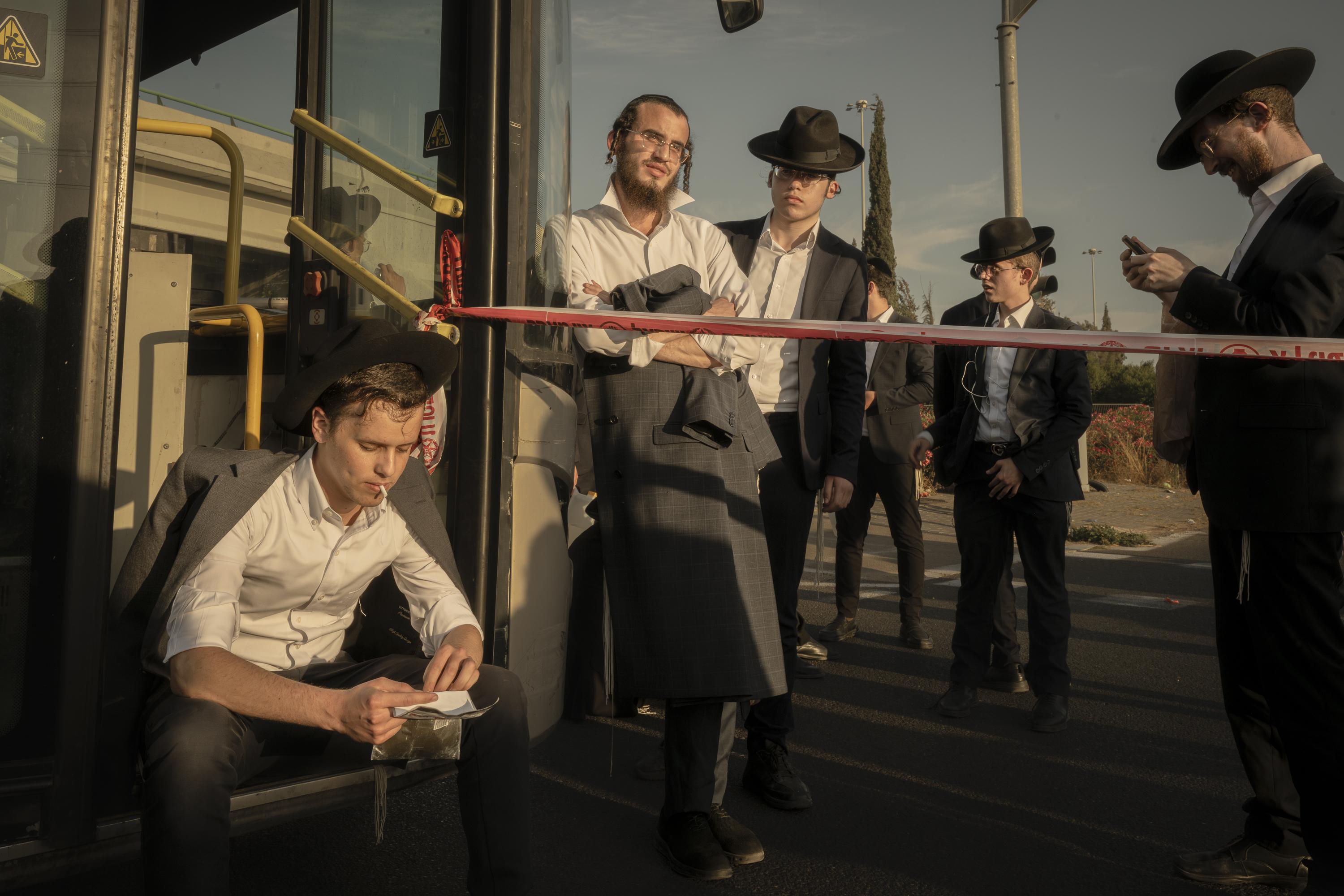
A growing refusal by ultra-Orthodox Israelis, known as Haredim, to enlist in the military is causing significant societal division and threatening Prime Minister Benjamin Netanyahu's coalition government. These individuals are actively resisting military conscription, resorting to actions such as blocking highways and accepting prison sentences rather than reporting for duty. This widespread defiance comes at a critical time, approximately two and a half years into the ongoing conflict. The Haredim's staunch opposition stems from a deep-seated fear within their religious community that their sons will be absorbed into secular Israeli society if they serve in the army. This resistance highlights a fundamental clash between the traditional religious way of life and the demands of national service.
The intensifying conflict between the state's military conscription requirements and the ultra-Orthodox community's commitment to its distinct way of life presents a complex governance challenge. This situation reflects a long-standing tension between secular and religious demographics in Israel, exacerbated by the current security environment. The Netanyahu government faces a delicate balancing act: maintaining coalition stability by accommodating religious demands versus upholding the principle of equal civic duty, particularly during wartime. Future policy considerations may involve exploring alternative forms of national service or revised conscription exemptions that acknowledge the unique societal structures of the Haredim while addressing the military's personnel needs. The long-term implications for social cohesion and national security will depend on finding a sustainable equilibrium that respects both religious freedom and the collective responsibilities of citizenship in the evolving geopolitical landscape.
AI-generated to prompt reflection — not editorial opinion, not advice, not a statement of fact. How this works.