ULTRA(PETALA) Gene Enhances Plant Polycomb Function
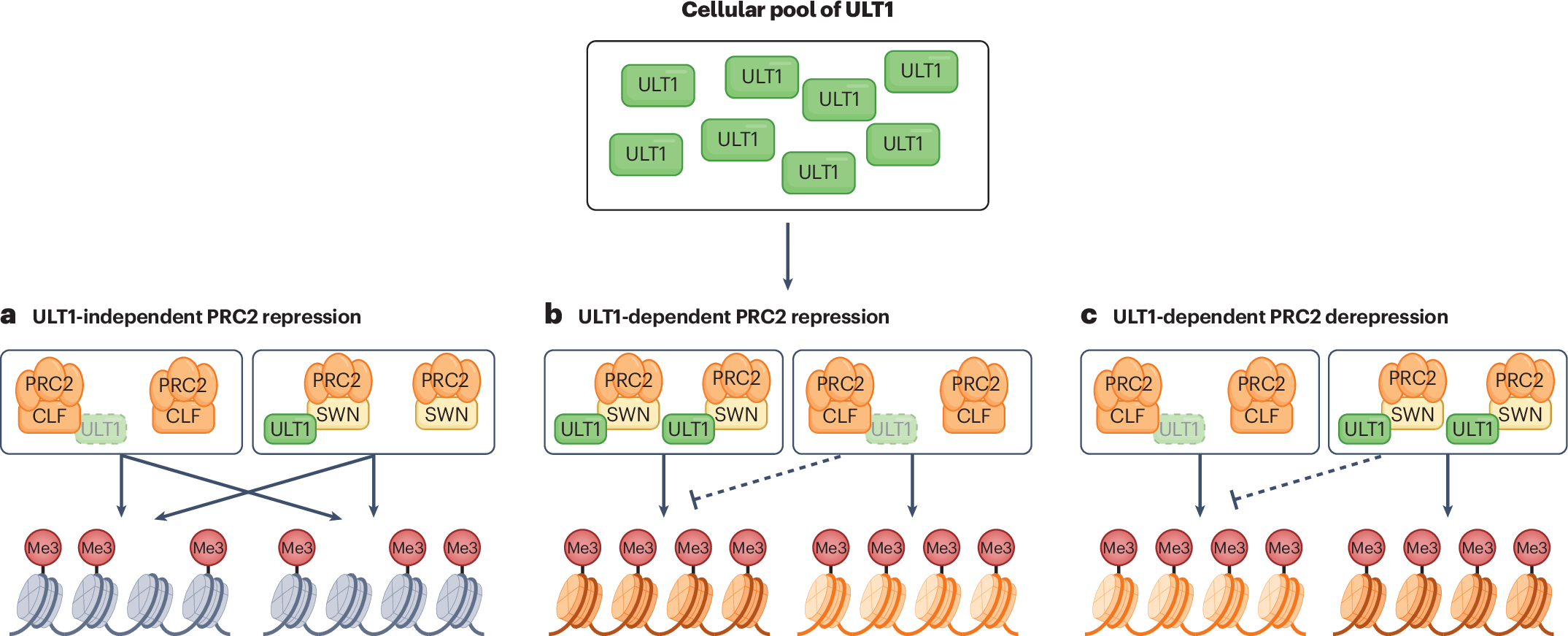
Researchers have identified a gene named ULTRA(PETALA) that significantly boosts the function of plant Polycomb proteins. Polycomb proteins are crucial for regulating gene expression and play a vital role in plant development, including flowering time and leaf morphology. The ULTRA(PETALA) gene appears to act as a positive regulator, amplifying the activity of these key developmental switches. This discovery sheds new light on the complex genetic mechanisms that control plant growth and adaptation. Understanding this interaction could lead to advancements in agricultural practices, potentially enabling the development of crops with improved traits. Further research will explore the precise molecular mechanisms by which ULTRA(PETALA) influences Polycomb activity. The study highlights the intricate regulatory networks governing plant biology. This finding contributes to the broader understanding of epigenetics in plants. The implications for crop improvement are significant.
The identification of the ULTRA(PETALA) gene's role in enhancing plant Polycomb function offers a novel perspective on plant developmental regulation. This finding could have significant implications for agricultural biotechnology, potentially enabling more precise control over crop traits such as flowering time and yield. From a systems perspective, this discovery underscores the complexity of gene regulatory networks and the potential for identifying specific genetic levers to influence complex phenotypes. Future research will likely focus on the scalability and transferability of this mechanism across different plant species, as well as the long-term ecological and economic impacts of manipulating such fundamental developmental pathways.
AI-generated to prompt reflection — not editorial opinion, not advice, not a statement of fact. How this works.
