Ultra-Rare Fossilized Soft Tissue Discovered from 450-Million-Year-Old Marine Animal
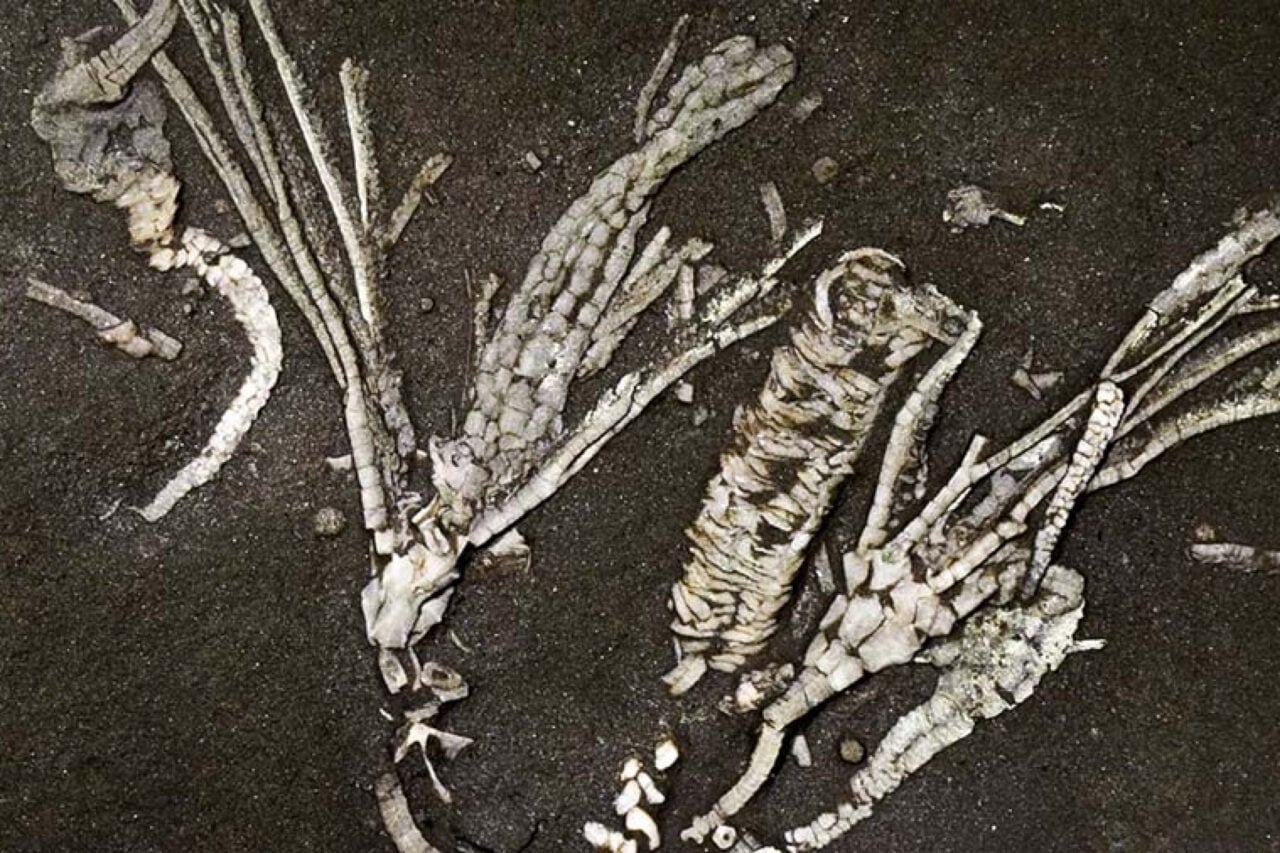
Paleontologists have made an extraordinary discovery, unearthing a fossilized soft tissue specimen from a sea creature that lived approximately 450 million years ago. This ancient marine animal belonged to the crinoid group, commonly known as sea lilies. While crinoid fossils are relatively common, with millions having been found over time, the preservation of soft tissues is exceptionally rare. This current find marks only the second instance in scientific history where such delicate biological material has been successfully preserved and discovered. The rarity of this fossil offers a unique window into the anatomy and biology of life during the Paleozoic Era.
The discovery of exceptionally preserved soft tissue in a 450-million-year-old crinoid fossil highlights the remarkable, yet often overlooked, potential for detailed paleontological insights. While crinoid fossils are abundant, the preservation of soft tissues is a significant anomaly, suggesting specific environmental conditions or taphonomic processes were at play. This rare event provides a unique opportunity to study ancient biological structures beyond just skeletal remains, potentially refining our understanding of early marine ecosystems and evolutionary pathways. Future research may focus on identifying the precise conditions that facilitated this exceptional preservation, which could inform strategies for seeking similar discoveries and enhance our comprehension of life's deep history.
AI-generated to prompt reflection — not editorial opinion, not advice, not a statement of fact. How this works.