Ultra-wealthy Install "Snow Rooms" at Home to Escape Rising Temperatures
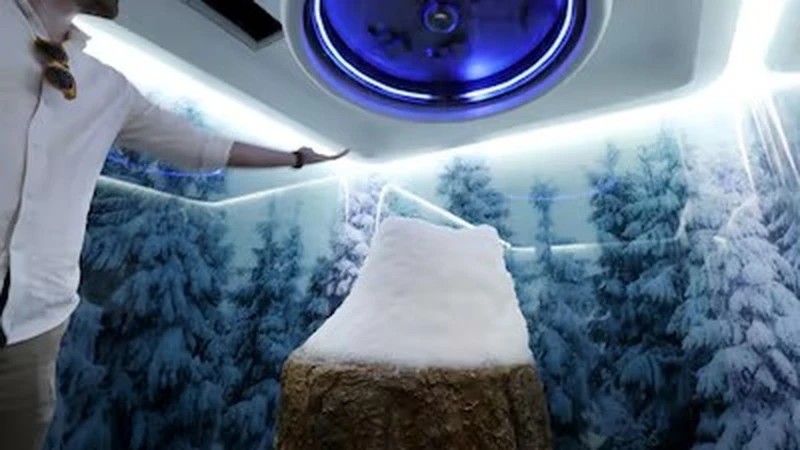
A growing number of the ultra-wealthy globally are installing "snow rooms" in their homes, yachts, and penthouses as an extreme measure to escape rising summer heat. These artificial chambers simulate a winter environment, with artificial snow falling from the ceiling, offering a stark contrast to traditional cooling methods like air conditioning. While popular in the United States, Europe, and the Middle East, these installations have not yet been confirmed in Brazil. Companies like Italy's TechnoAlpin and the U.S.-based Spa Butler specialize in these luxury amenities, adapting snow-making technology for indoor use. TechnoAlpin offers models like the "Snowroom," maintained at -10°C with real snow produced nightly, and "Snowsky," which simulates a snowstorm with light effects. Spa Butler, founded in 2018, has completed dozens of projects, with standard rooms starting around $128,000 and custom designs exceeding $300,000. These installations require significant infrastructure, including dedicated refrigeration, electrical systems, drainage, and robust insulation, akin to a commercial cold room. The trend reflects a broader shift in luxury amenities, with a growing emphasis on health and longevity, mirroring the popularity of ice baths and saunas for their purported circulatory benefits. Notable examples include Indian billionaire Mukesh Ambani's residence and Saudi Crown Prince Mohammed bin Salman's superyacht, highlighting the exclusive nature of this extreme climate control solution.
The "snow room" trend among the ultra-wealthy signifies a divergence in how extreme wealth addresses environmental challenges, prioritizing personalized, technologically advanced comfort over broader sustainability solutions. This phenomenon highlights the increasing commodification of wellness and sensory experiences, where bespoke climate control becomes a status symbol. From a systems perspective, the demand for such extreme personal environments, while catering to individual desires, raises questions about resource allocation and energy consumption in the context of global climate change. The underlying logic of contrast therapy, while scientifically supported for certain physiological benefits, is being amplified to an unprecedented scale, potentially indicating a broader societal aspiration for control over natural conditions. This pursuit of artificial environments may reflect a growing disconnect from natural climate fluctuations and a reliance on technological solutions that are accessible only to a minuscule segment of the population.
AI-generated to prompt reflection — not editorial opinion, not advice, not a statement of fact. How this works.