Ultrasound Therapy Shows Promise for Preventing Arthritis Development
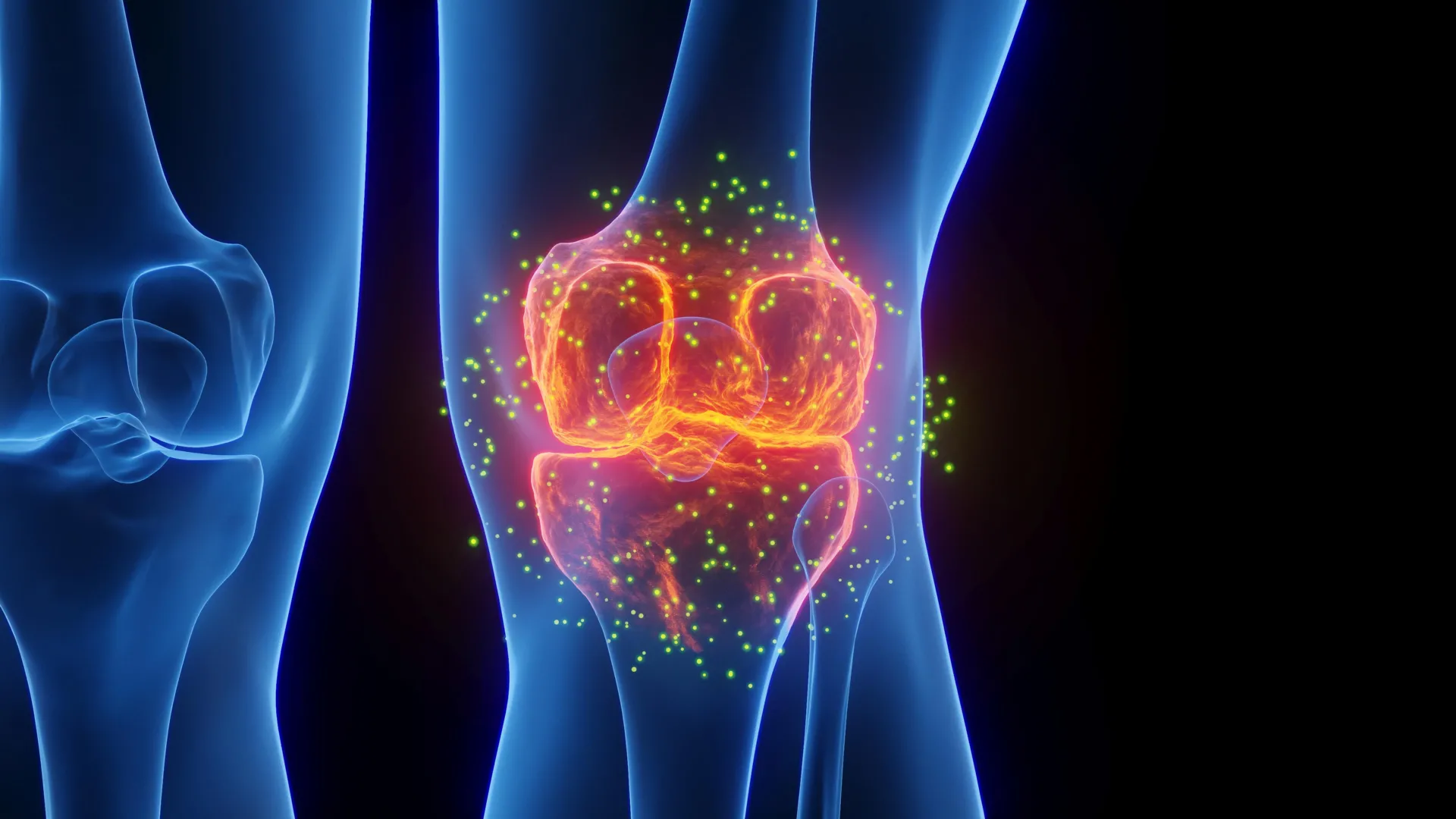
Researchers at The University of Alabama in Huntsville have identified a potential non-invasive treatment for preventing arthritis. The study focused on a continuous, low-intensity ultrasound therapy that could help injured joints heal, thereby interrupting the cycle of chronic inflammation characteristic of arthritis. The key finding is that this ultrasound treatment prompts specific immune cells, known as macrophages, to change their behavior. Normally, macrophages can contribute to inflammation, but under the influence of the ultrasound, they were observed to shift from an inflammatory state to one that actively promotes tissue repair. This suggests a novel approach to managing joint injuries and potentially averting the onset of arthritis before it becomes a chronic condition. The treatment's non-invasive nature makes it a potentially attractive option for patients.
This research presents a promising avenue for proactive joint health management by leveraging focused ultrasound to modulate immune cell function. By encouraging macrophages to transition from pro-inflammatory to pro-reparative roles, the therapy could address the root cause of inflammatory joint damage before it escalates into chronic arthritis. Future investigations should explore the long-term efficacy and safety of this approach, as well as its applicability across diverse patient populations and injury types. Understanding the precise biophysical mechanisms by which ultrasound influences macrophage polarization will be critical for optimizing treatment protocols and potentially developing targeted therapies for other inflammatory conditions.
AI-generated to prompt reflection — not editorial opinion, not advice, not a statement of fact. How this works.