UML and NCP Leaders Criticize Oli-Dahal Provincial Pact
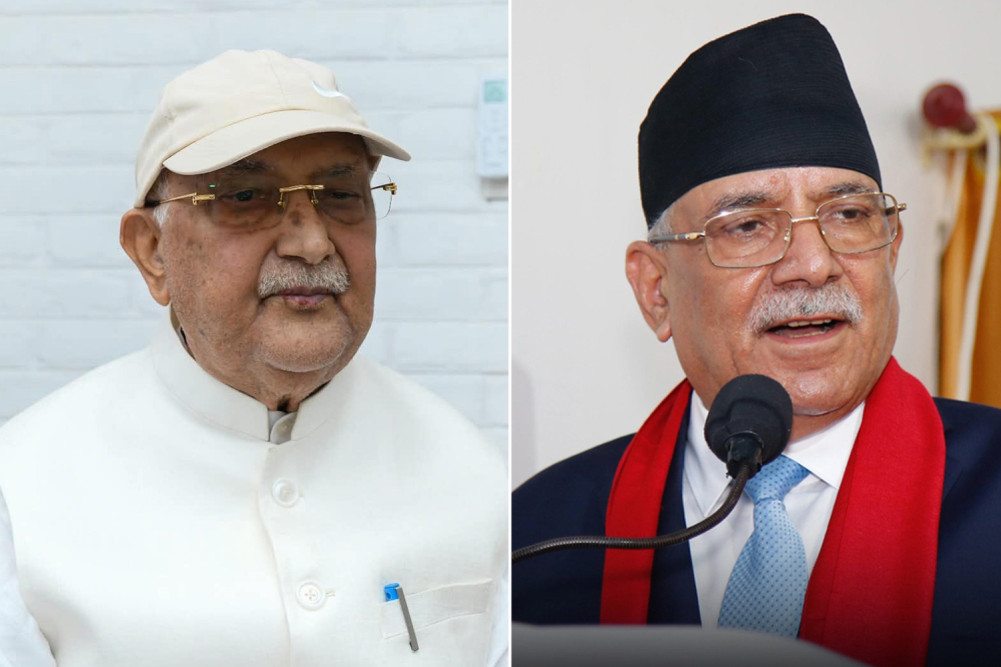
Senior leaders within both the Communist Party of Nepal (Unified Marxist–Leninist) (UML) and the Communist Party of Nepal (Maoist Centre) (NCP) have voiced strong objections to a recently formed provincial pact between party chairs K.P. Sharma Oli and Pushpa Kamal Dahal. These leaders are questioning the political rationale for reviving cooperation between the two parties. Furthermore, they have expressed significant dissatisfaction with the process through which this agreement was reached, suggesting a lack of transparency or consultation. The backlash indicates internal divisions and potential challenges to the leadership's decisions within both the UML and NCP. The specific details of the provincial pact have not been elaborated upon, but the objections suggest it has significant implications for the political landscape. The dissent from within suggests a potential power struggle or disagreement over strategic direction. The leaders' concerns highlight a perceived lack of political foresight or strategic alignment in the Oli-Dahal agreement. This internal friction could impact the stability and future direction of both political parties.
The reported internal dissent within the UML and NCP regarding the Oli-Dahal provincial pact suggests a divergence between party leadership's strategic maneuvering and grassroots or senior member consensus. This situation highlights the inherent tension in coalition-building and power-sharing, where the perceived benefits of a pact for leadership may not align with the broader organizational interests or perceived political logic by other senior figures. The objections, focusing on both the 'what' and the 'how' of the deal, point to potential governance deficits in decision-making processes. Looking ahead, such internal divisions could influence future electoral strategies and party cohesion, particularly in an era where political allegiances are increasingly fluid and voter bases demand clear ideological and operational consistency. The challenge for the leadership will be to reconcile these internal disagreements to maintain party unity and public trust.
AI-generated to prompt reflection — not editorial opinion, not advice, not a statement of fact. How this works.