UML Ministers Resign from Bagmati Provincial Government Amid Alliance Collapse
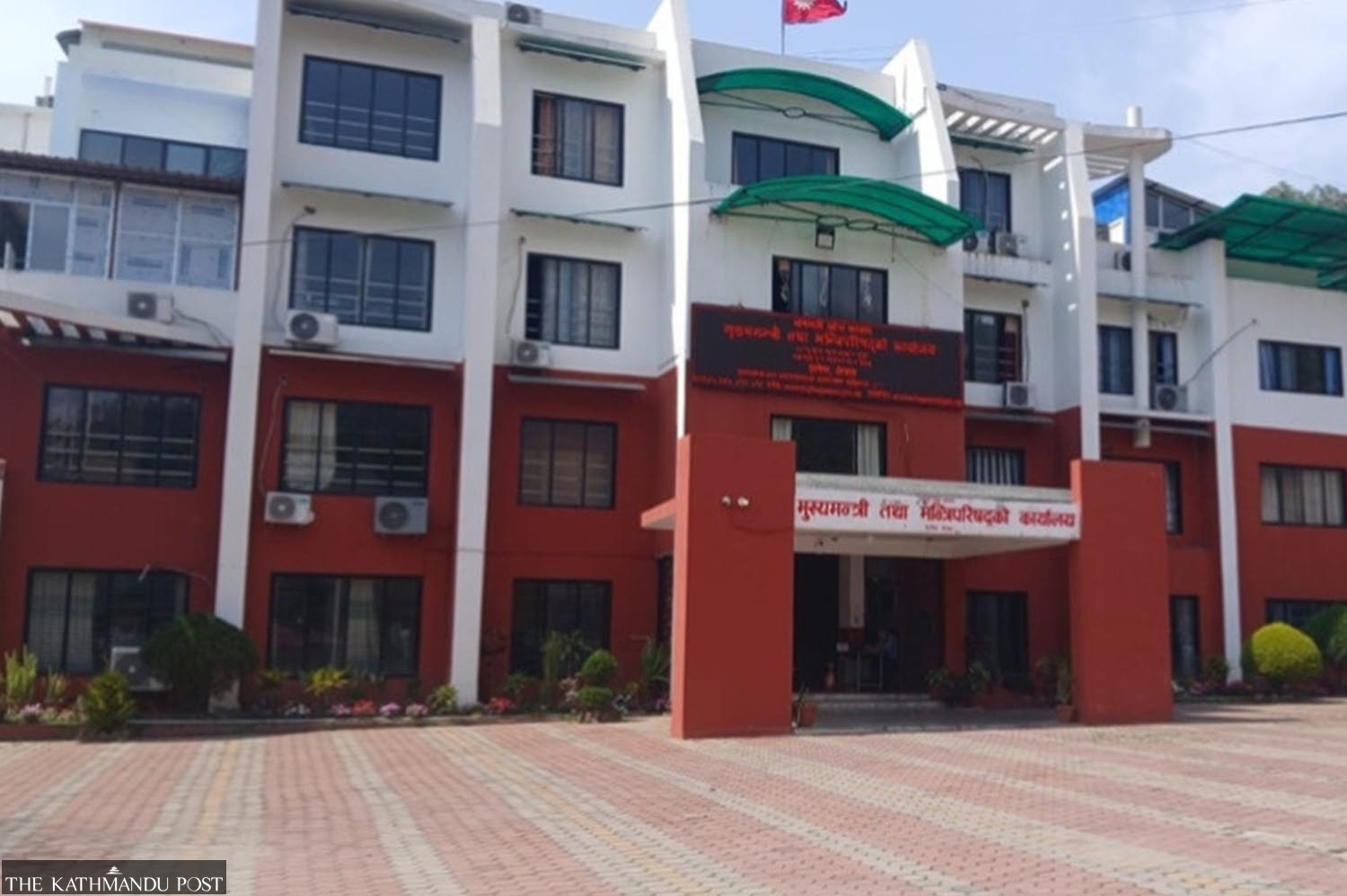
Ministers from the Communist Party of Nepal (Unified Marxist–Leninist) have resigned from their positions within the Bagmati provincial government. This political maneuver follows the dissolution of the alliance between the Congress and UML parties. The breakdown of this coalition has created a fluid political landscape in the province, prompting various political factions to engage in urgent discussions and negotiations. The primary objective is to establish a new coalition government, as no single political bloc currently commands a clear majority in the provincial assembly. The situation highlights the ongoing instability and the complex coalition-building dynamics prevalent in the region's political system. The resignations are expected to trigger further shifts in the provincial power structure as parties vie to secure enough support for a stable government.
The resignations signal a significant realignment of political forces within the Bagmati provincial government, driven by the fragmentation of pre-existing alliances. This event underscores the challenges of coalition governance in a multi-party system where no single entity holds a dominant position. The subsequent scramble to form a new coalition reflects the inherent instability and the constant negotiation required to maintain governmental power. Future political stability will likely depend on the ability of parties to forge durable agreements that address underlying policy differences and power-sharing mechanisms, rather than solely relying on opportunistic alliances. The situation prompts reflection on the long-term viability of current coalition frameworks and their capacity to deliver consistent governance in the face of shifting political winds.
AI-generated to prompt reflection — not editorial opinion, not advice, not a statement of fact. How this works.