UN Agency Condemns Resumed War, Reports 6,000 Sailors Stranded in Persian Gulf
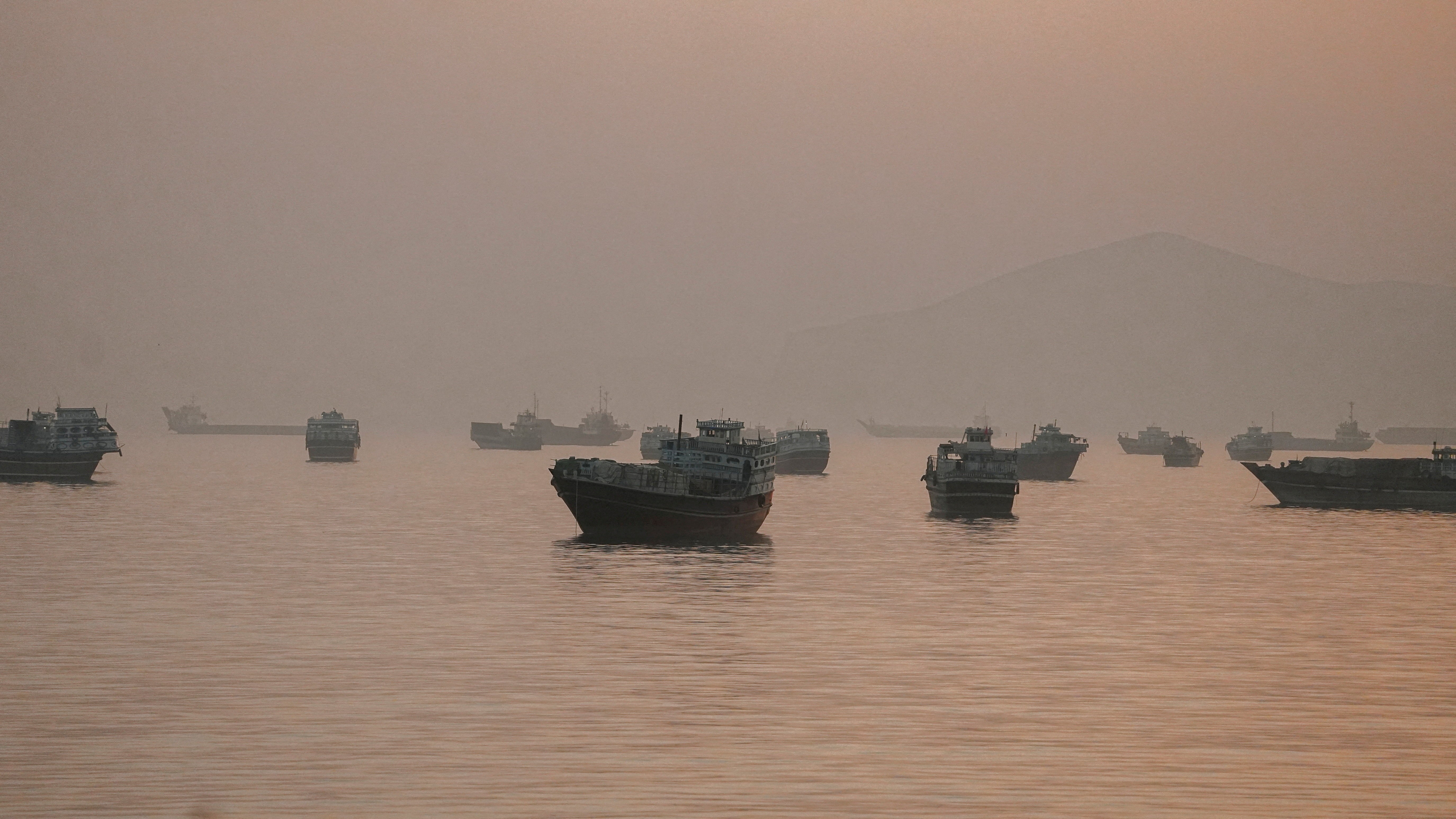
The International Maritime Organization (IMO), a UN agency focused on maritime safety, has condemned the renewed hostilities in the Persian Gulf and the Strait of Hormuz. Approximately 6,000 sailors remain trapped aboard ships in the Persian Gulf, unable to safely depart the region, according to an IMO statement on Wednesday, August 8th. IMO Secretary-General Arsenio Dominguez expressed concern, stating that these attacks exacerbate the fear, uncertainty, and psychological distress already experienced by the stranded sailors. He urged all parties involved to avoid unnecessary risks to seafarers and to allow safe passage through the Strait of Hormuz.
These declarations followed U.S. President Donald Trump's announcement ending a ceasefire with Iran, after significant aerial exchanges between the two nations, including attacks on merchant vessels in the Strait of Hormuz. The conflict initially began on February 28th with U.S. and Israeli attacks on Iran, leading Tehran to block navigation through the strait. The U.S. responded by imposing a blockade on Iranian ports. A memorandum of understanding signed on June 17th between Tehran and Washington aimed to end the war, after which crossings resumed at a slower pace than before the conflict. The IMO had previously initiated an evacuation plan for 11,000 sailors on 600 ships stuck in the area, a process expected to take several weeks. By late June, this plan had facilitated the departure of 2,500 sailors from 115 ships. Currently, Iran permits only one shipping route along its coast and, despite U.S. opposition, refuses to revert to the pre-conflict situation of free passage through the strait.
The IMO's statement highlights the severe humanitarian impact of geopolitical conflict on civilian maritime personnel, emphasizing the psychological toll and physical confinement faced by stranded sailors. The situation underscores the vulnerability of global supply chains and international trade routes to state-level disputes, particularly in critical chokepoints like the Strait of Hormuz. The IMO's role as a neutral arbiter is challenged by the escalating tensions and the differing strategic interests of major powers, creating a complex environment for ensuring maritime safety and freedom of navigation. Future resolutions will likely depend on diplomatic de-escalation and the establishment of robust international frameworks that prioritize the protection of seafarers, regardless of the political climate.
AI-generated to prompt reflection — not editorial opinion, not advice, not a statement of fact. How this works.