UN Chief Guterres Arrives in Cyprus for Crucial Talks on Island's Future
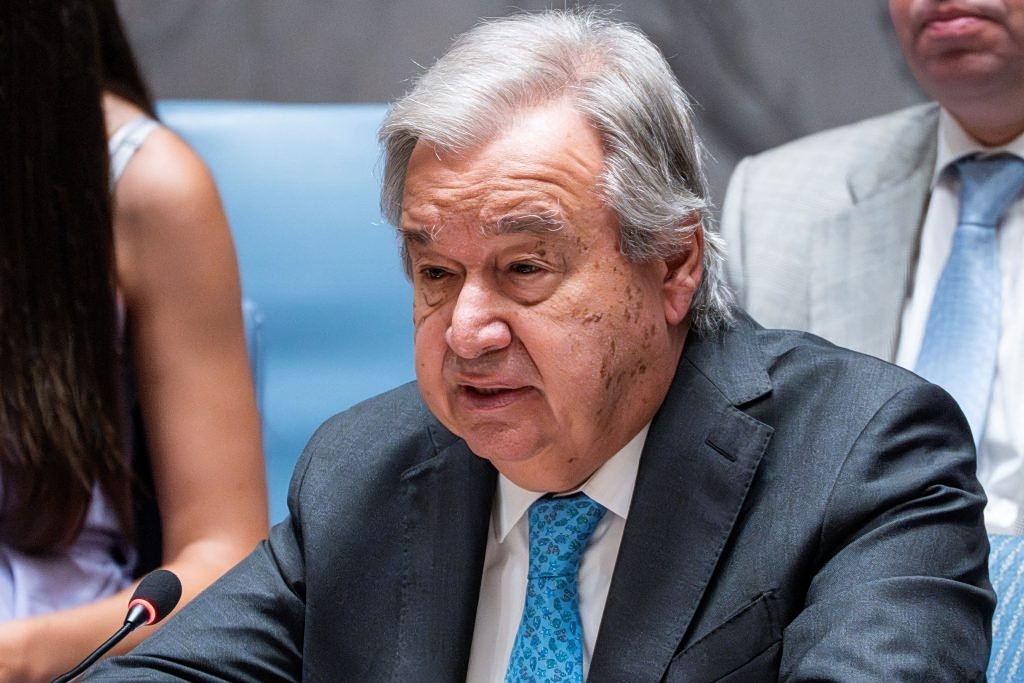
UN Secretary-General António Guterres arrived in Cyprus on Monday evening for a visit aimed at assessing the minimal political conditions required for a return to substantive negotiations on the Cyprus issue. The United Nations has not presented this visit as a process that will immediately lead to an agreement. The official objective of the trip is to gauge the political will and potential common ground between the parties involved. This marks a critical juncture in the long-standing efforts to resolve the division of the island. Guterres's engagement is seen as a final attempt to break the diplomatic deadlock that has persisted for decades. The visit is expected to be a litmus test for the viability of future peace talks. The Secretary-General's agenda includes meetings with key political leaders on both sides of the divided island. His discussions will focus on identifying potential pathways forward and exploring areas of compromise. The international community is closely watching this development, hoping for a breakthrough in the complex geopolitical situation. The outcome of these discussions could significantly influence the future trajectory of the Cyprus problem.
UN Secretary-General António Guterres's visit to Cyprus represents a critical diplomatic effort to ascertain the feasibility of resuming negotiations on the island's long-standing division. The visit's framing as an assessment rather than a direct negotiation pathway suggests a recognition of the entrenched political obstacles. The core challenge lies in bridging the gap between the differing political aspirations and security concerns of the involved parties. The success of this initiative will likely depend on the willingness of stakeholders to engage constructively and explore compromises, rather than on the Secretary-General's personal diplomatic influence alone. Future progress hinges on systemic shifts in political will and the establishment of mutually acceptable frameworks for dialogue, potentially influenced by evolving regional dynamics and international pressures over the next decade.
AI-generated to prompt reflection — not editorial opinion, not advice, not a statement of fact. How this works.