UN Chief Warns AI Development Outpaces Regulatory Capacity
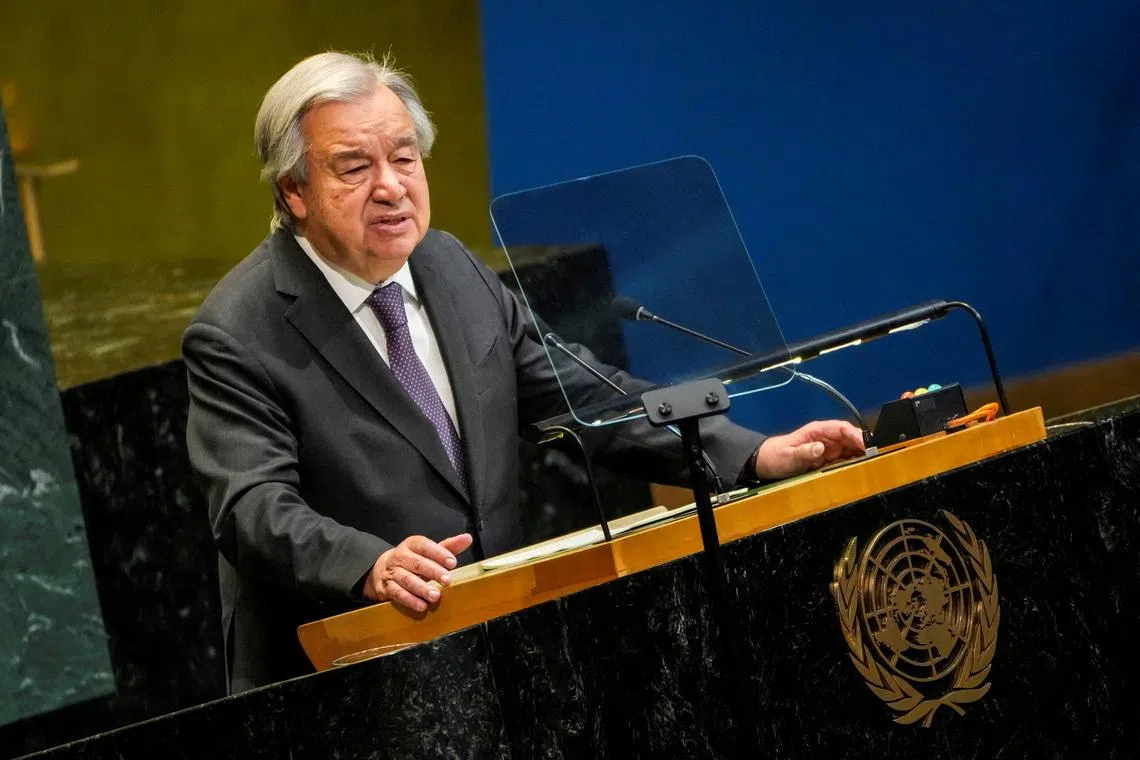
United Nations Secretary-General António Guterres issued a stark warning on Monday, July 6, stating that artificial intelligence is advancing at an unprecedented pace, exceeding humanity's ability to regulate it. He emphasized the urgent need for globally coordinated rules to mitigate the potential risks associated with AI's rapid evolution. Guterres specifically highlighted the particular vulnerability of children to these emerging technologies. The call for harmonized international regulations underscores the growing concern among global leaders about the societal implications of unchecked AI development. The UN chief's statement reflects a broader international dialogue on establishing ethical frameworks and governance structures for AI. The aim is to ensure that AI's benefits are maximized while its potential harms are effectively managed. This initiative seeks to foster responsible innovation and prevent unintended negative consequences across various sectors.
AI's rapid advancement presents a significant governance challenge, as regulatory frameworks struggle to keep pace with technological innovation. This dynamic creates a potential gap where risks, particularly concerning vulnerable populations like children, may not be adequately addressed. The call for global harmonization suggests a recognition that AI's impact transcends national borders, necessitating international cooperation. Future AI governance will likely involve balancing the drive for innovation with the imperative for safety and ethical deployment. The challenge lies in creating agile regulatory systems that can adapt to evolving technologies without stifling progress, ensuring AI development aligns with societal values and long-term human well-being.
AI-generated to prompt reflection — not editorial opinion, not advice, not a statement of fact. How this works.