UN Considers Treaty to Protect Growing Global Population of Older Adults
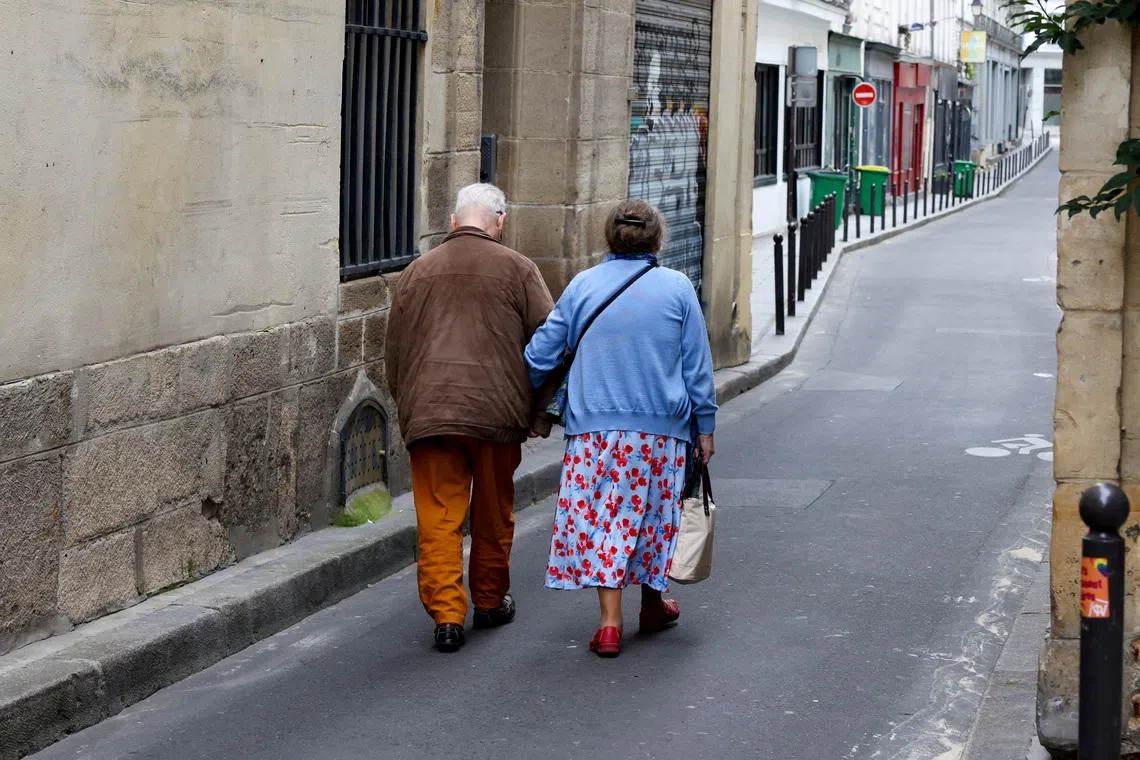
The United Nations is initiating discussions for a potential treaty aimed at safeguarding the rights and well-being of older individuals. This move comes as global life expectancy continues to rise, leading to a significant demographic shift. Projections from the UN indicate that the number of people aged 65 and over is expected to double within the next fifty years. This anticipated increase highlights the growing need for international frameworks to address the specific challenges and vulnerabilities faced by an aging global population. The proposed treaty seeks to establish universal standards and protections, ensuring that older adults can live with dignity, security, and full participation in society. Discussions are underway to determine the scope and specific provisions of such a landmark agreement.
The UN's consideration of a treaty for older adults reflects a proactive response to a significant demographic transformation driven by increased life expectancy. As the global population ages, existing social, economic, and healthcare systems may face unprecedented strain. This initiative could foster a more equitable distribution of resources and support structures, addressing potential intergenerational disparities. The development of such a treaty will require careful negotiation to balance the diverse needs and rights of older persons across different cultural and economic contexts, while also considering the long-term sustainability of pension systems and elder care infrastructure in an era of increasing automation and evolving labor markets.
AI-generated to prompt reflection — not editorial opinion, not advice, not a statement of fact. How this works.