UN Declares Neglected Tropical Diseases a Human Rights Issue in Historic Resolution
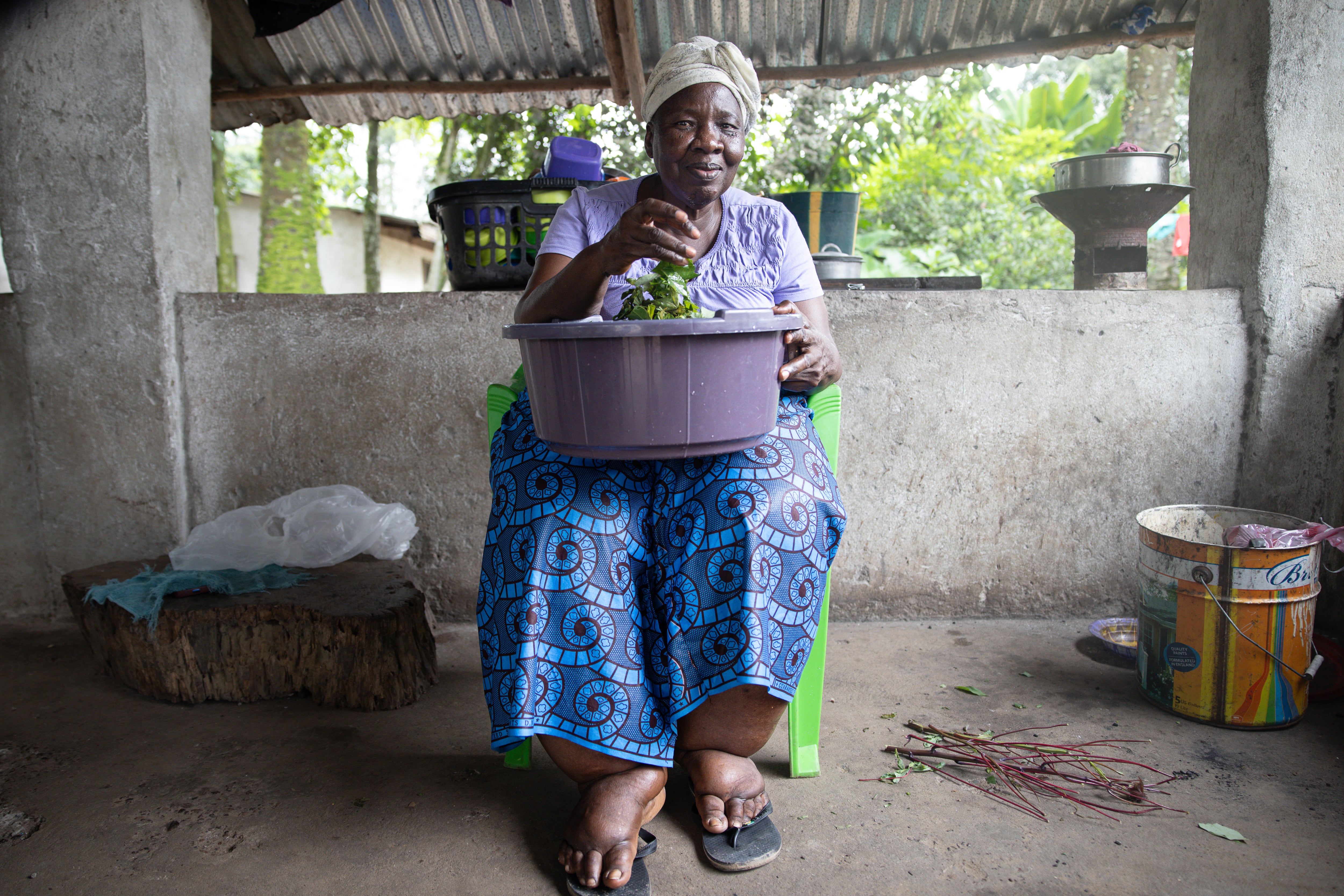
The United Nations has unanimously adopted a historic resolution, championed by Malawi, recognizing neglected tropical diseases (NTDs) as a human rights issue. This landmark decision acknowledges that combating these debilitating conditions, which impact over one billion people globally, requires a multifaceted approach. The resolution emphasizes the need to address underlying factors contributing to the spread of NTDs, such as poverty, lack of access to clean water, and systemic discrimination. By framing NTDs within a human rights context, the UN aims to galvanize greater political will and resource allocation for prevention, diagnosis, and treatment efforts. This shift in perspective is expected to encourage more integrated strategies that tackle both the diseases and their social determinants. The unanimous approval underscores a global consensus on the urgency and importance of addressing NTDs, which disproportionately affect marginalized communities. The resolution calls for increased international cooperation and national commitment to ensure that affected populations can exercise their right to health. Malawi's leadership in pushing this agenda highlights the growing recognition of the profound impact NTDs have on sustainable development and human dignity. Ultimately, the UN's action signals a commitment to a more equitable and just approach to global health, prioritizing those most vulnerable to these persistent diseases.
The UN's resolution reframes neglected tropical diseases (NTDs) from a purely medical or development challenge into a fundamental human rights concern. This strategic shift aims to leverage international human rights frameworks and enforcement mechanisms to compel greater action and accountability from member states. By linking NTDs to poverty, water access, and discrimination, the resolution acknowledges the interconnectedness of health outcomes with broader socio-economic and political structures. This perspective encourages a systemic approach, moving beyond symptomatic treatment to address the root causes of disease vulnerability. In the coming decade, as AI and advanced diagnostics become more prevalent, this human rights lens could drive more equitable access to these technologies for affected populations, ensuring that technological advancements do not exacerbate existing health disparities. The challenge will be translating this declaration into tangible policy changes and sustained funding, particularly in resource-limited settings.
AI-generated to prompt reflection — not editorial opinion, not advice, not a statement of fact. How this works.