UN Experts Question India on Mass Voter Deletions, Citing Potential Rights Violations
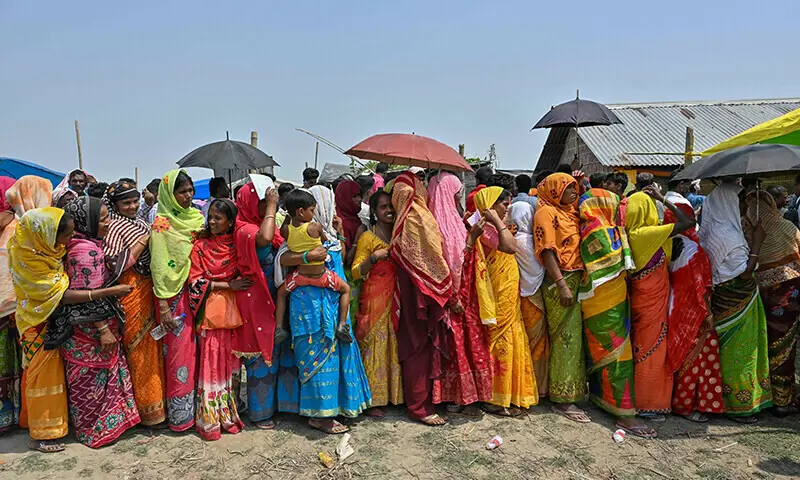
Three United Nations special rapporteurs have formally requested an explanation from the Indian government regarding allegations of a massive voter deletion exercise that may have disproportionately targeted Muslim citizens. The UN experts expressed serious concerns about the reported removal of approximately 52 million names from electoral rolls across 12 states and union territories, particularly in the lead-up to recent state elections. While other minorities were also affected, the rapporteurs noted that Muslim citizens appeared to bear the brunt of these administrative exclusions. In West Bengal, for instance, 9.1 million names were deleted before elections held on April 23 and 29, 2026, with reports indicating that 95% of deleted voters in the Nandigram constituency were Muslim, despite the community comprising only 25% of the local electorate. The UN experts warned that these actions could constitute significant violations of international human rights law, including the right to political participation. They also raised concerns about the use of an AI-driven system to flag irregularities, which could introduce bias, and criticized the rhetoric from senior officials that linked the purge to 'illegal Bangladeshi immigrants,' conflating legitimate citizens with foreign nationals. The rapporteurs highlighted that such framing risks official endorsement of discriminatory attitudes towards Muslim citizens. The legal process involved appeals to the Supreme Court, which allowed for the restoration of voting rights if approved by tribunals, but the immense volume of appeals placed significant pressure on these bodies, leading to the exclusion of eligible citizens from elections.
The UN rapporteurs' inquiry highlights the critical intersection of electoral integrity, technological implementation, and human rights law. The use of AI in voter list management, while potentially efficient, introduces risks of algorithmic bias and opaque decision-making, particularly when applied to sensitive demographic data. The alleged disproportionate impact on minority groups, coupled with public rhetoric framing the exercise as a means to 'purify' rolls and target specific communities, raises concerns about potential state-sponsored discrimination. This situation underscores the imperative for robust oversight mechanisms and transparent processes in electoral administration to safeguard democratic principles and prevent the erosion of trust among all citizens. Future electoral reforms must prioritize inclusivity and equitable participation, ensuring that technological advancements serve to strengthen, rather than undermine, fundamental voting rights and international human rights commitments.
AI-generated to prompt reflection — not editorial opinion, not advice, not a statement of fact. How this works.