UN Experts Urge Thai Government on Transboundary River Pollution
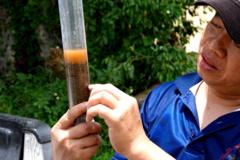
For the first time, civil society organizations are leveraging international mechanisms to pressure the Thai government into addressing the issue of toxic substances contaminating transboundary rivers. Specifically, the UN Special Rapporteurs have raised concerns regarding pollution in the Kok, Mekong, Ruak, and Sai rivers. This initiative marks a significant step in utilizing global platforms to advocate for environmental protection and government accountability on cross-border ecological issues. The involvement of UN Special Rapporteurs signifies the seriousness of the pollution and the international attention it has garnered. Civil society groups aim to compel the Thai government to take more decisive and effective actions to mitigate the contamination and protect the health of these vital waterways and the communities that depend on them. The specific nature of the toxic substances and the extent of the contamination in each river remain key points of concern for the international working group.
The engagement of UN Special Rapporteurs highlights a critical juncture where national environmental governance intersects with international human rights and environmental law. Civil society's strategic use of these mechanisms underscores the growing imperative for state accountability in managing transboundary environmental resources. The situation prompts consideration of the long-term implications of industrial and agricultural practices on shared water systems, and the effectiveness of existing regulatory frameworks in preventing and remediating such pollution. Future challenges will likely involve strengthening regional cooperation and ensuring that economic development does not compromise ecological integrity, particularly in the context of climate change and increasing resource demands.
AI-generated to prompt reflection — not editorial opinion, not advice, not a statement of fact. How this works.