UN Extends DRC Sanctions Regime Until 2027, France Drafts Resolution
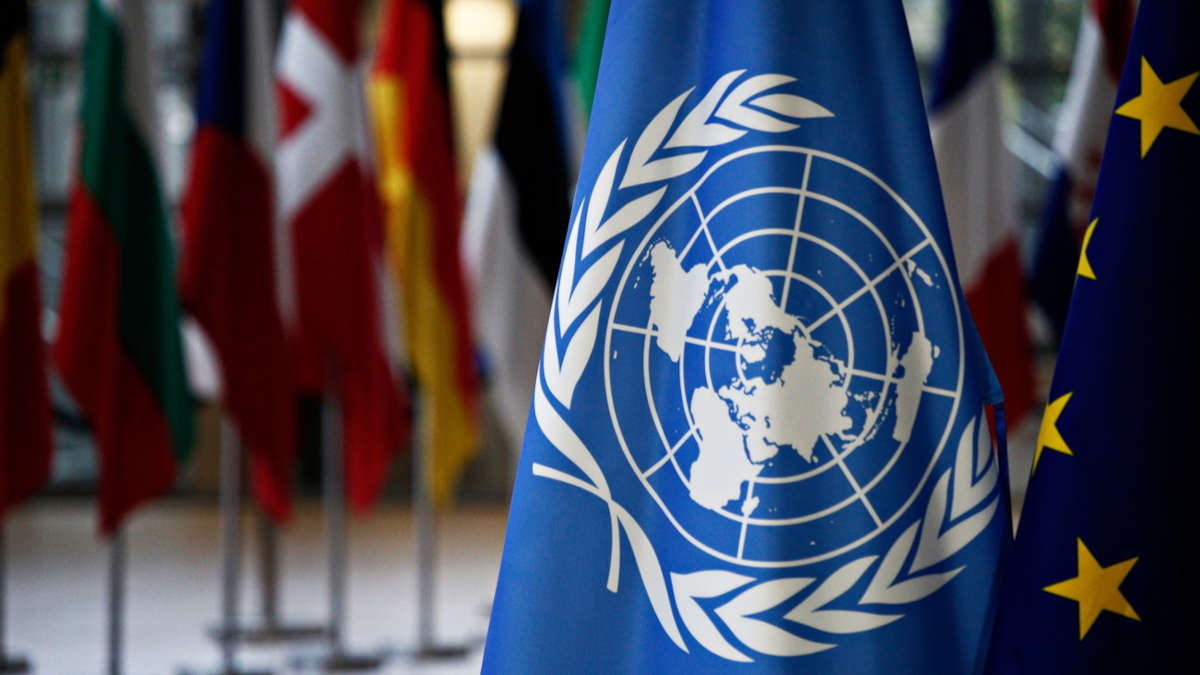
The United Nations Security Council has unanimously adopted Resolution 2825 (2026), extending the sanctions regime applicable to the Democratic Republic of Congo until July 1, 2027. A new sanctions criterion has been introduced, specifically targeting armed groups that obstruct the actions of UN peacekeepers operating in the DRC. This decision was made by all fifteen members of the Security Council on June 29th. The resolution aims to address ongoing challenges related to armed conflict and interference with peacekeeping operations within the country. The extension provides continued international pressure and tools to address the complex security situation. France played a key role as the penholder in drafting this resolution, indicating its significant involvement in shaping the UN's approach to the DRC. The renewed sanctions regime underscores the international community's commitment to stability and security in the region. Further details on the specific measures and entities targeted are expected to be elaborated within the framework of this extended mandate. The decision reflects a consensus among Security Council members on the necessity of maintaining sanctions to encourage compliance and de-escalation.
The UN Security Council's extension of sanctions on the DRC until 2027, with a new focus on groups impeding peacekeepers, reflects a persistent global governance challenge. This move signals a strategic recalibration, acknowledging that previous measures alone were insufficient to ensure the safety and efficacy of UN missions. The inclusion of a specific criterion against obstructionist armed groups highlights the evolving tactics of non-state actors and the need for adaptive international responses. While sanctions can serve as a tool to influence behavior, their long-term effectiveness is often debated, particularly concerning their impact on civilian populations and the potential for unintended consequences. The resolution's unanimous adoption suggests a unified international stance, yet the practical implementation and enforcement will be critical in determining its success in fostering a more stable environment for both the Congolese people and the peacekeepers.
AI-generated to prompt reflection — not editorial opinion, not advice, not a statement of fact. How this works.