UN General Assembly Extends Human Rights Chief's Term by Four Years
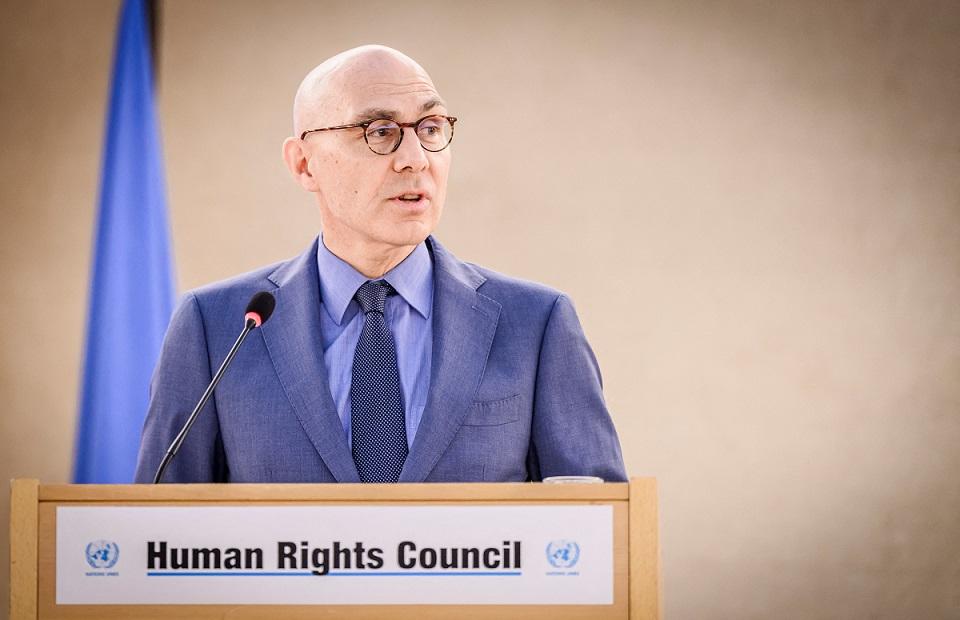
The United Nations General Assembly has overwhelmingly approved a four-year extension for the mandate of the U.N. Human Rights chief, Volker Turk. The decision was made on Friday and saw significant support within the assembly. However, the extension faced opposition from Russia, Israel, and the United States. Despite these objections, the resolution passed with a substantial majority, ensuring Turk's continued leadership in the role for an additional four years. This renewal signifies the international body's confidence in the current direction of the Human Rights office's work. The mandate extension will allow for continuity in addressing global human rights issues and implementing related strategies. The specific reasons for the opposition from Russia, Israel, and the United States were not detailed in the provided information.
The UN General Assembly's decision to extend Volker Turk's mandate reflects a broad international consensus on the importance of the Human Rights chief's role, despite notable dissent from key member states. This outcome highlights the complex geopolitical dynamics inherent in global governance, where consensus-building often navigates differing national interests and perspectives on human rights implementation. The extension provides a degree of stability for the Office of the High Commissioner for Human Rights, enabling it to pursue its agenda over the next four years. Future challenges will likely involve balancing universal human rights principles with the sovereignty concerns and specific national contexts of member states, particularly those that expressed opposition. The coming years will test the office's capacity to foster dialogue and drive progress in a multifaceted global landscape shaped by evolving technological and societal shifts.
AI-generated to prompt reflection — not editorial opinion, not advice, not a statement of fact. How this works.