UN Human Rights Council Condemns Sudan Violence, Citing Child Casualties
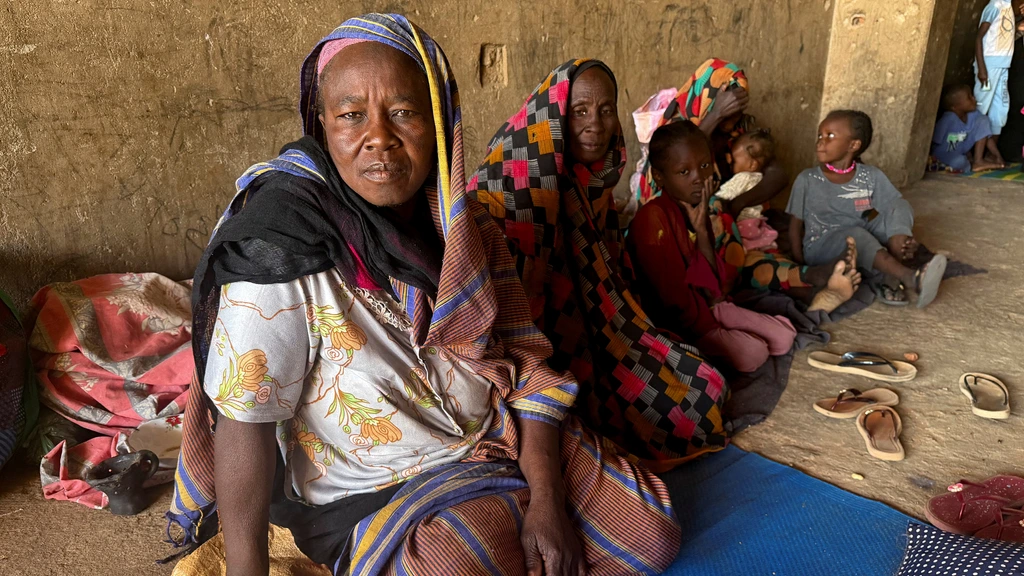
The United Nations Human Rights Council has condemned the escalating violence near El-Obeid, Sudan, and will investigate alleged abuses by the paramilitary Rapid Support Forces (RSF). The United Kingdom brought reports of atrocities during the siege of El-Obeid in North Kordofan to the council, drawing parallels to war crimes previously committed in North Darfur. The British ambassador emphasized that these atrocities must not be repeated. UN Human Rights Chief Volker Türk had previously warned about the escalating violence, noting that civilians have been living under siege for eighteen months. Türk highlighted a severe shortage of clean water and ongoing drone attacks in El-Obeid, in addition to reports of summary executions, kidnappings, torture, and sexual violence. The RSF has previously denied such accusations, claiming they are fabrications by adversaries.
The UN Children's Fund (Unicef) has also raised alarms, reporting that at least 330 children have been killed or injured in Sudan since the beginning of the year. The Darfur and North Kordofan regions are particularly affected, with Unicef reporting that around El-Obeid, at least eighteen children have been killed and seventeen injured since May. Drone attacks and other shelling have also damaged homes, schools, and health facilities. The conflict in Sudan involves a protracted struggle between the RSF and the Sudanese army, with the RSF controlling much of the west and the army in the east and north. The current fighting is concentrated around El-Obeid, a crucial transit route between the capital Khartoum and Darfur, and a strategically important city for the army due to its air force base and infantry division.
The UN Human Rights Council's condemnation and planned investigation underscore the severe humanitarian crisis unfolding in Sudan, particularly around El-Obeid. The detailed reports of civilian suffering, including widespread child casualties and attacks on essential infrastructure, highlight systemic failures in conflict de-escalation and civilian protection. The RSF's denial of allegations, while noted, contrasts with consistent reporting from international bodies, suggesting a potential disconnect between stated intentions and battlefield realities. As the conflict intensifies around strategic transit routes, the international community faces the challenge of translating condemnation into effective mechanisms that safeguard civilian populations and uphold international humanitarian law, especially in the face of persistent accusations of war crimes. The long-term implications for regional stability and the future governance of Sudan will depend on the accountability mechanisms established and the sustained commitment to peace.
AI-generated to prompt reflection — not editorial opinion, not advice, not a statement of fact. How this works.