UN Human Rights Council Declares Neglected Tropical Diseases a Human Rights Issue
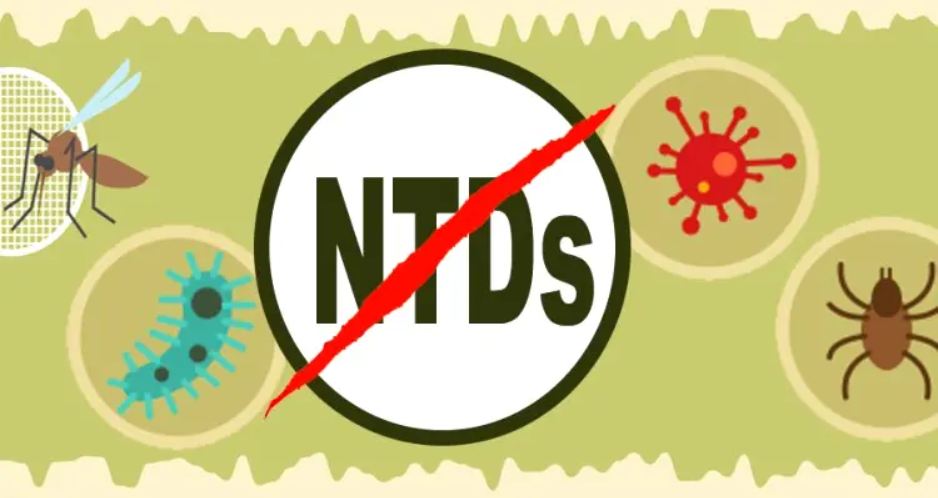
The United Nations Human Rights Council has adopted its first-ever resolution recognizing neglected tropical diseases (NTDs) as a human rights issue. This landmark decision, spearheaded by Malawi, is anticipated to significantly alter global strategies aimed at eradicating these diseases. NTDs currently affect over one billion people worldwide. The resolution marks a pivotal moment for African nations, offering them a crucial victory in their long-standing advocacy for greater attention and resources to combat these debilitating conditions. By framing NTDs within a human rights context, the international community is being urged to uphold the right to health for affected populations. This shift is expected to drive increased political will, funding, and collaborative action from governments, international organizations, and civil society. The recognition is seen as a critical step toward ensuring that individuals suffering from NTDs have access to necessary treatments, prevention measures, and comprehensive care, thereby upholding their fundamental human dignity.
The UN Human Rights Council's resolution framing neglected tropical diseases (NTDs) as a human rights issue represents a significant paradigm shift. By elevating NTDs from a purely public health concern to a matter of fundamental rights, the resolution creates a stronger ethical and legal imperative for global action. This reclassification may unlock new avenues for advocacy and resource mobilization, potentially leveraging international human rights frameworks to hold states accountable for their obligations to protect the health of their citizens. The long-term impact will depend on how effectively this resolution translates into concrete policy changes, increased funding commitments, and equitable access to diagnostics and treatments, particularly for the over one billion people currently affected. Future efforts will likely focus on integrating NTD control into broader human rights and sustainable development agendas.
AI-generated to prompt reflection — not editorial opinion, not advice, not a statement of fact. How this works.