UN Inquiry Demands Release of Gaza Doctor Held by Israel Since December 2024
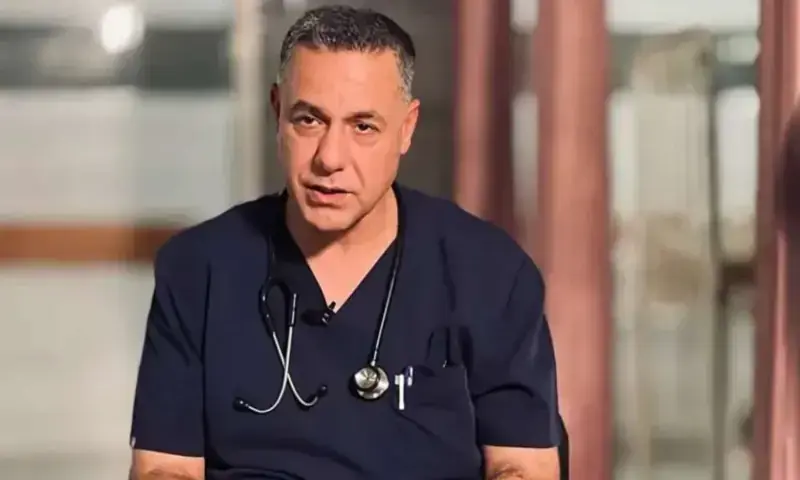
A United Nations inquiry has raised serious concerns regarding the alleged abuse and ongoing detention of prominent Palestinian doctor Hussam Abu Safiya, director of Kamal Adwan Hospital in Gaza. Dr. Abu Safiya was reportedly seized by the Israeli military in December 2024 and remains held in Israel without charge. Rights groups and his lawyer assert that his life is in imminent danger due to his deteriorating medical condition, which they attribute to the actions of Israeli Prison Service guards. The UN Independent International Commission of Inquiry on the Occupied Palestinian Territory stated that the treatment of Palestinian detainees raises grave concerns of violations of international law, potentially amounting to international crimes. An Israeli Prison Service spokesperson has denied these allegations, calling them false and without factual basis, though they did not specifically name Dr. Abu Safiya. This situation has drawn attention to a broader pattern of alleged violations by Israeli authorities, previously highlighted by the UN inquiry, including accusations of targeting Gaza's healthcare system and medical professionals since October 2023. A separate UN rights body recently declared Dr. Abu Safiya's detention arbitrary, asserting that Israel's actions violate multiple international human rights declarations and covenants, and also called for his immediate release.
The UN inquiry's call for Dr. Abu Safiya's release underscores the critical intersection of international humanitarian law, medical neutrality, and state security concerns in conflict zones. The allegations of abuse and prolonged detention without charge, if substantiated, highlight systemic risks within detention practices that could undermine international legal norms. Israel's denial and its broader stance of non-cooperation with UN investigative bodies suggest a geopolitical tension over accountability and the interpretation of international mandates. Moving forward, the focus will likely remain on the legal frameworks governing the treatment of medical personnel and detainees during conflict, and the challenges in ensuring independent oversight and adherence to international standards amidst ongoing hostilities and differing national security perspectives.
AI-generated to prompt reflection — not editorial opinion, not advice, not a statement of fact. How this works.