UN Rapporteur Mai Sato: Iran Faces Internal Repression and External Threats, Civilians Bear the Brunt
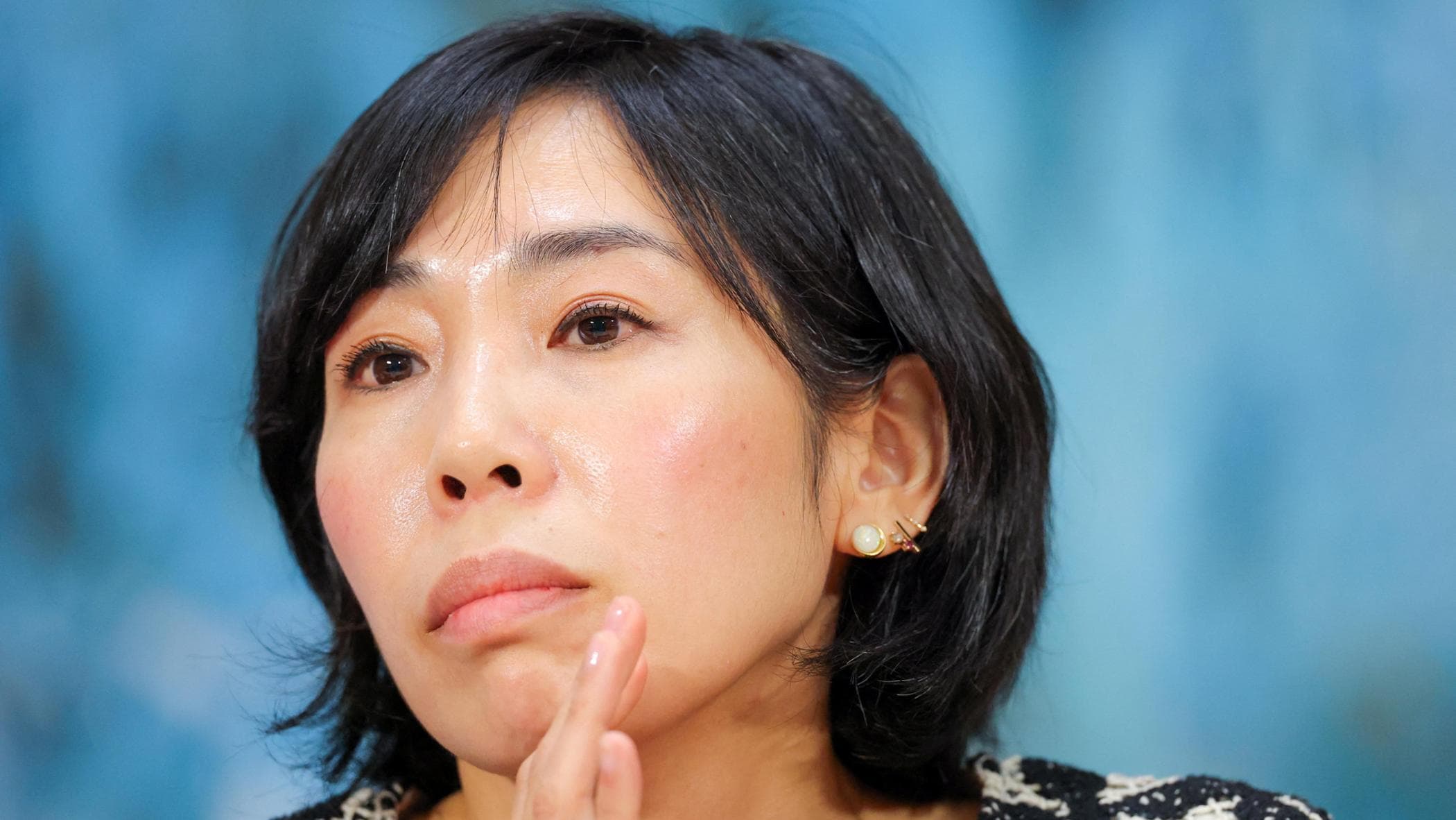
Mai Sato, the UN Special Rapporteur for human rights in Iran since 2024, has voiced grave concerns regarding the nation's situation. She highlighted that Iran is caught between the threat of external conflict and severe internal repression. According to Sato, civilians are disproportionately suffering from these dual pressures. She specifically noted that the ongoing conflict has been marked by rhetoric that appears to condone or acknowledge war crimes. This suggests a troubling normalization of violations of international humanitarian law within the discourse surrounding the conflict. Sato's statement underscores the precarious position of Iranian civilians amidst these complex geopolitical and domestic challenges.
The United Nations Special Rapporteur's statement points to a critical juncture for Iran, where internal governance challenges intersect with external geopolitical pressures. The observation regarding rhetoric that admits war crimes suggests a potential breakdown in adherence to international legal norms, which could have long-term implications for accountability and regional stability. From a systems perspective, the dual pressures of internal repression and external threats create a feedback loop, potentially exacerbating human rights concerns and limiting avenues for peaceful resolution. Future policy considerations may need to address both the immediate humanitarian impact and the underlying structural factors contributing to the crisis, particularly in the context of evolving international relations and the increasing interconnectedness of global security.
AI-generated to prompt reflection — not editorial opinion, not advice, not a statement of fact. How this works.
