UN Rights Chief Slams Nicaragua's Election Ban Proposal
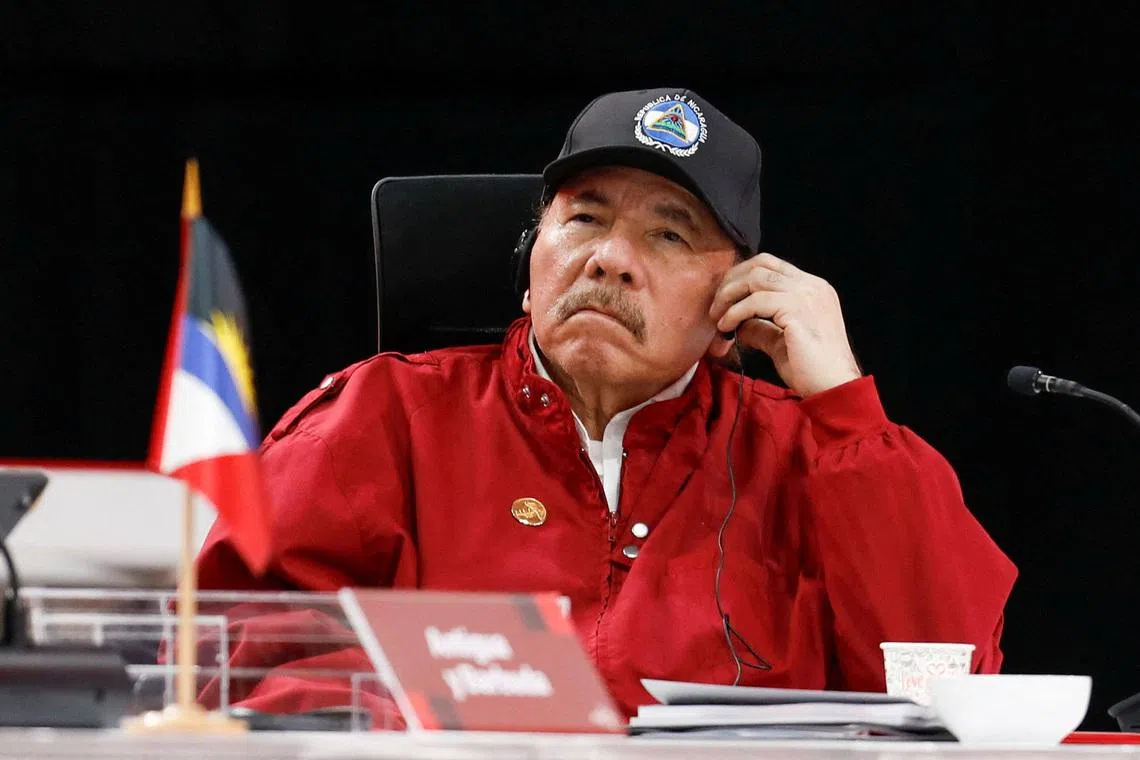
The United Nations High Commissioner for Human Rights has strongly condemned Nicaragua's proposed measures to prevent political opponents from participating in elections. The High Commissioner described these actions as a significant decline in civil and political rights within the country. He warned that implementing these proposed measures would intensify an already severe crackdown on dissent. This move is seen as a further erosion of democratic processes and freedoms in Nicaragua. The UN official's statement highlights growing international concern over the human rights situation. The proposed ban aims to exclude opposition figures, potentially consolidating the ruling party's power. This development follows a period of increased repression against civil society and political opposition. The international community is closely monitoring Nicaragua's political trajectory. The proposed measures raise serious questions about the fairness and legitimacy of future electoral processes.
The proposed electoral restrictions in Nicaragua represent a critical juncture in the nation's governance, potentially signaling a shift away from democratic principles towards a more authoritarian model. Such measures, while potentially serving immediate political objectives by limiting opposition, carry significant long-term risks. These include international isolation, economic repercussions due to diminished investor confidence, and the potential for increased internal instability. From a systems perspective, concentrating power by excluding political rivals can create governance fragility, as it reduces feedback mechanisms and increases the likelihood of policy errors. Future developments will likely hinge on the interplay between domestic political dynamics and international diplomatic pressure, with implications for regional stability and human rights norms in the coming decade.
AI-generated to prompt reflection — not editorial opinion, not advice, not a statement of fact. How this works.