UN Rights Chief Warns of Civilian Harm if US-Iran Conflict Escalates
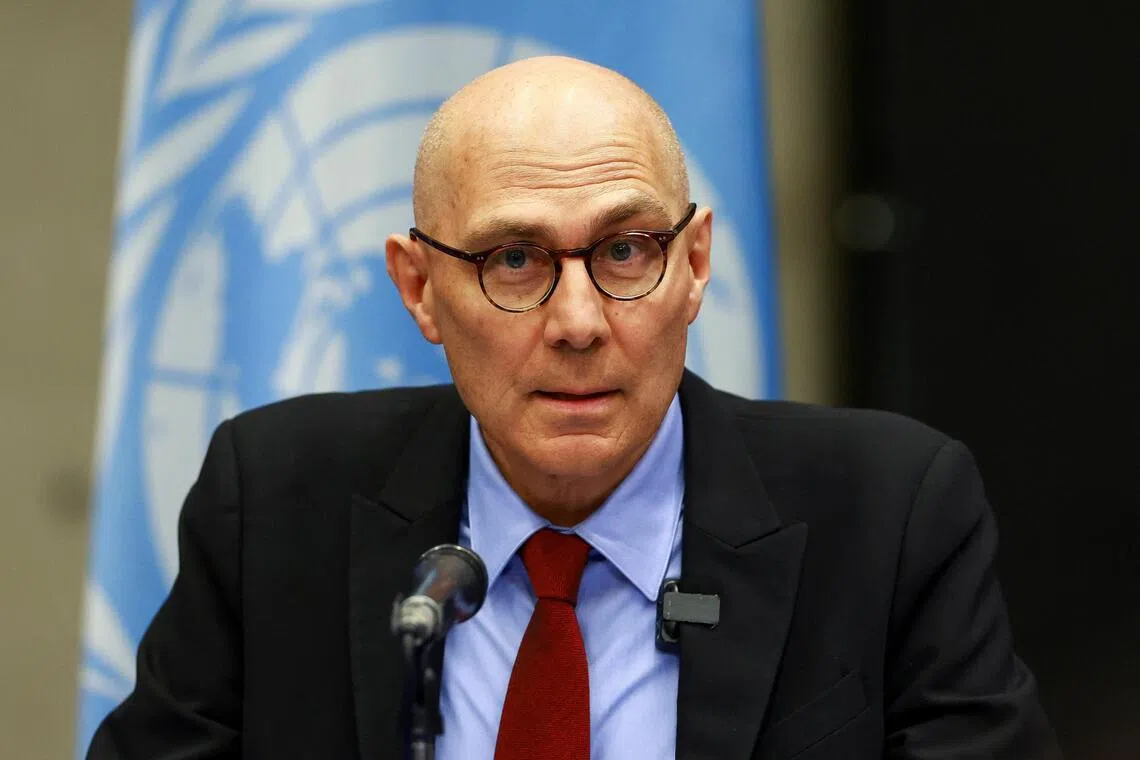
Volker Turk, the UN High Commissioner for Human Rights, has expressed grave concern regarding the potential human rights implications of renewed hostilities between the United States and Iran. He specifically highlighted the significant risks associated with the possible closure of the Strait of Hormuz, a vital waterway for global oil transport. Turk emphasized that any escalation of conflict would represent a substantial setback for civilians in the region. The potential disruption to maritime traffic and the broader economic consequences could lead to increased suffering and instability for civilian populations. The UN rights chief's statement underscores the interconnectedness of geopolitical tensions and their direct impact on human well-being and fundamental rights. He urged for de-escalation and diplomatic solutions to prevent further harm.
The UN High Commissioner's statement frames potential US-Iran conflict through the lens of civilian impact and human rights, shifting focus from purely geopolitical or military considerations. This perspective highlights the systemic vulnerability of civilian populations to disruptions in critical infrastructure, such as the Strait of Hormuz. The analysis suggests that international bodies are increasingly prioritizing the human cost of state-level disputes, recognizing that economic blockades or military actions can have cascading negative effects on global stability and individual livelihoods. The warning serves as a reminder of the complex interplay between international relations, energy security, and human welfare, prompting consideration of alternative conflict resolution mechanisms that mitigate risks to non-combatants.
AI-generated to prompt reflection — not editorial opinion, not advice, not a statement of fact. How this works.