UN Secretary-General Race: Frontrunners Not Yet Clear, Says Expert
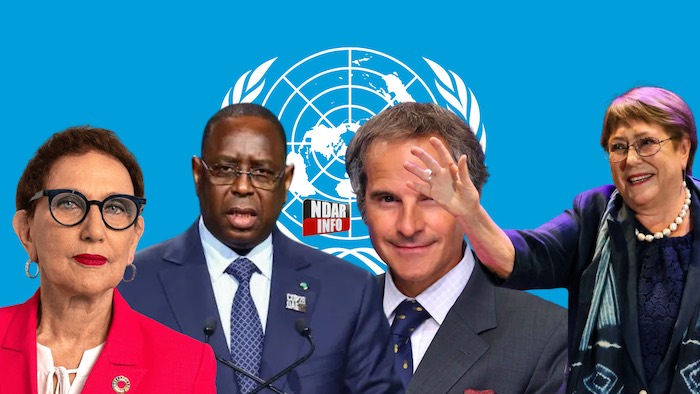
The race to succeed Antonio Guterres as the head of the United Nations is far from decided, according to Francis Kpatindé, a former journalist for Jeune Afrique, a teacher-researcher, and ex-spokesperson for the UNHCR. Speaking on RFI, Kpatindé suggested that the four current candidates might be overtaken by surprise contenders. He indicated that while some individuals might be perceived as favorites, the ultimate selection process could yield unexpected results. The selection of the next UN Secretary-General is a significant global event, involving extensive diplomatic negotiations and consideration of diverse international perspectives. Kpatindé's remarks highlight the inherent unpredictability in such high-stakes leadership contests. The process typically involves nominations from member states and a rigorous vetting procedure by the Security Council, followed by a vote in the General Assembly. The outcome remains uncertain, with potential for dark horses to emerge and influence the final decision.
The selection process for the UN Secretary-General, while appearing formal, is deeply influenced by geopolitical dynamics and the strategic interests of permanent Security Council members. The assertion that current frontrunners may not secure the position underscores the complex interplay of diplomacy, consensus-building, and potential eleventh-hour maneuvers. In the context of evolving global challenges, the next leader will face immense pressure to navigate international relations, address climate change, and manage humanitarian crises, all while balancing the demands of powerful states. The process itself reveals much about the current state of multilateralism and the enduring influence of traditional power structures within international governance frameworks.
AI-generated to prompt reflection — not editorial opinion, not advice, not a statement of fact. How this works.