UN Secretary-General Race: Key Candidates Emerge in Security Council Vote
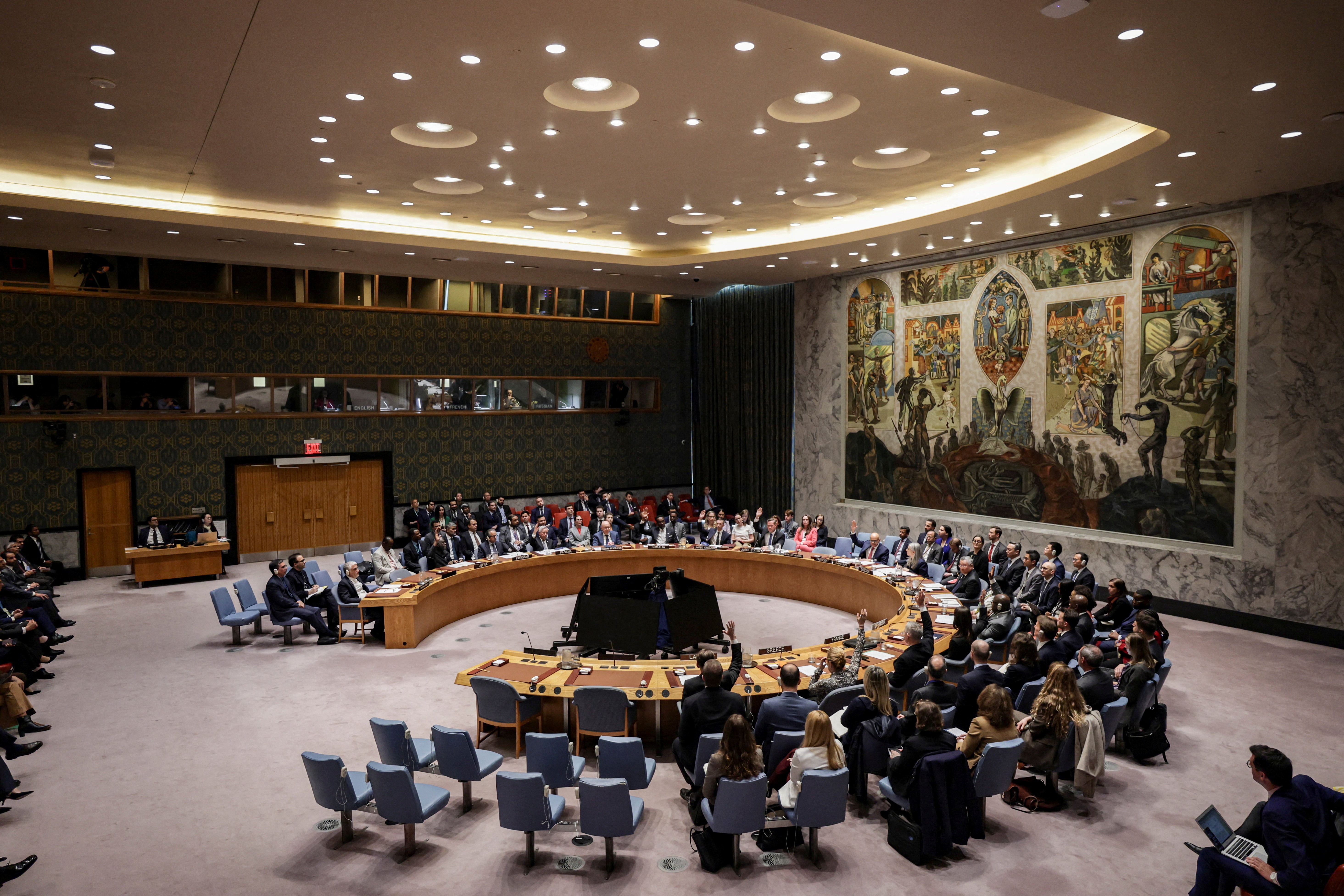
The process to elect the next United Nations Secretary-General is underway as incumbent António Guterres prepares to step down. The critical first stage begins with a vote in the Security Council, where representatives from the 15 member states will indicate whether they "encourage," "do not encourage," or have "no opinion" on the seven candidates. Among the frontrunners are Michelle Bachelet, former President of Chile and former UN High Commissioner for Human Rights, and Rafael Grossi, the current Director-General of the International Atomic Energy Agency. To secure the position, candidates require at least nine affirmative votes and no vetoes from the five permanent members: the United States, China, Russia, France, and the United Kingdom. Journalist Marcelo Lins discussed the election process, the leading candidates, their support bases, and the potential impact of a new leadership on the UN's current challenges. The podcast also touched upon broader UN-related news, including a report on the global fight against AIDS, which saw approximately 570,000 deaths in 2025, and Brazil's improved food security indicators. Additionally, a separate report mentioned Donald Trump's alleged desire for the FIFA president to run for the UN leadership. The podcast "O Assunto" is produced by g1 and has garnered significant listenership, with over 168 million downloads across audio platforms and over 14.2 million views on YouTube since its launch in August 2019.
The selection process for the UN Secretary-General highlights the inherent tension between the organization's universal aspirations and the geopolitical realities of its Security Council. The requirement for nine votes and no vetoes from permanent members grants significant leverage to a select few states, potentially shaping the UN's future direction based on national interests rather than global consensus. This dynamic raises questions about the organization's capacity to address complex global challenges impartially, especially in an era of increasing great power competition. The influence of permanent members could lead to a Secretary-General who prioritizes maintaining stability among powerful nations over driving transformative change. Future leadership will need to navigate these structural constraints, seeking innovative approaches to foster cooperation and uphold the UN's foundational principles amidst evolving international relations.
AI-generated to prompt reflection — not editorial opinion, not advice, not a statement of fact. How this works.