UN Shipping Agency Rejects Tolls for Straits After Trump's Hormuz Fee Proposal
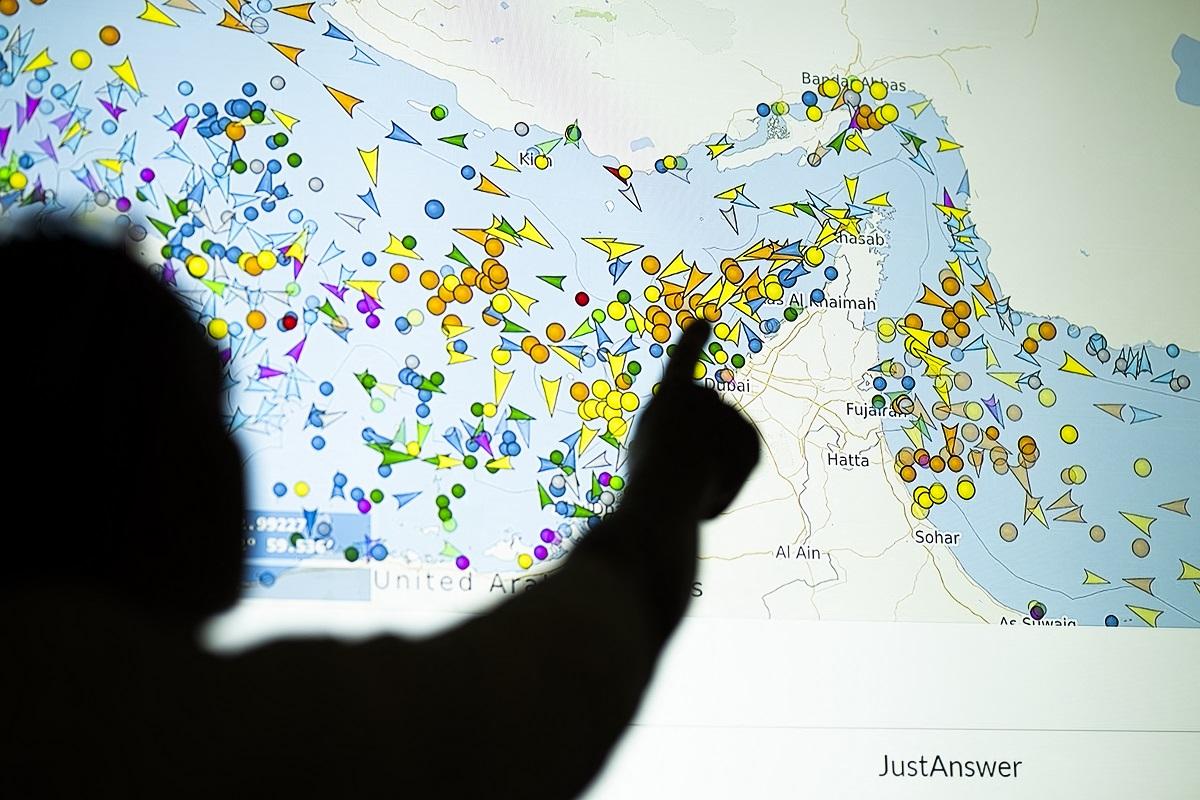
The International Maritime Organization (IMO) has stated its opposition to charging fees for ships transiting through maritime waterways. This stance comes in response to a proposal by former U.S. President Donald Trump. Trump had suggested implementing a 20% charge on cargo passing through the Strait of Hormuz. The IMO's position underscores its commitment to maintaining open and accessible international shipping routes. Such fees could potentially impact global trade and increase shipping costs for businesses worldwide. The Strait of Hormuz is a critical chokepoint for global oil supply, making any disruption or increased cost a significant concern for international markets. The IMO, as the United Nations' specialized agency responsible for the safety and security of shipping and the prevention of marine pollution by ships, plays a crucial role in setting international standards for maritime transport. Its opposition signals a potential conflict with the proposed U.S. policy.
The International Maritime Organization's opposition to transit fees for maritime straits, particularly in response to a proposed charge on cargo through the Strait of Hormuz, highlights a fundamental tension between national economic interests and the principles of international maritime law and free trade. While a nation may seek to leverage strategic geographic assets for revenue, the IMO's stance reflects the global consensus on maintaining unimpeded passage through vital international waterways. Such proposed fees could disrupt established global supply chains, increase inflationary pressures, and potentially lead to retaliatory measures, impacting geopolitical stability. The IMO's position, rooted in facilitating global commerce and maritime security, suggests that unilateral attempts to monetize strategic chokepoints may face significant international resistance and could undermine the long-term predictability essential for global trade in the coming decade.
AI-generated to prompt reflection — not editorial opinion, not advice, not a statement of fact. How this works.