UN System Refines Gender Equality Coordination in Cameroon
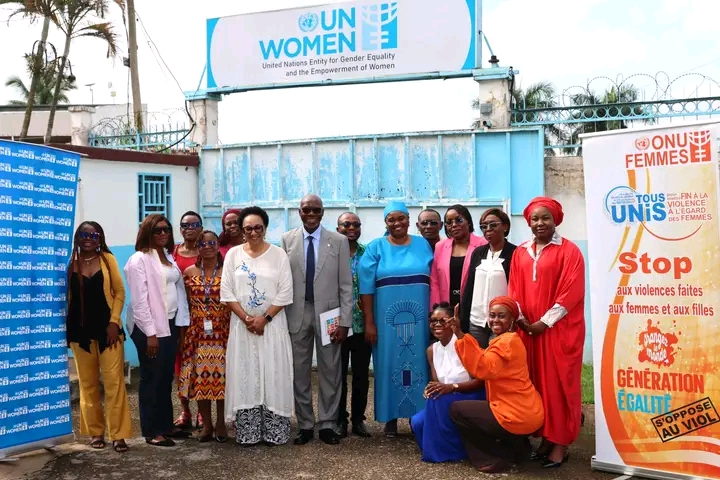
The United Nations Gender Thematic Group (GTG) convened in Yaoundé on June 25-26, 2026, for its annual retreat. The meeting, hosted by UN Women, aimed to enhance the integration of gender equality into public policies and humanitarian interventions across Cameroon. Issa Sanogo, the UN Resident Coordinator in Cameroon, opened the session, which was presided over by Marie-Pierre Raky Chaupin, UN Women's Resident Representative. This gathering underscored the significance of the GTG's role in promoting a gender perspective within the UN Country Team. Participants reviewed past achievements and formulated priorities for the upcoming year, focusing on strengthening gender considerations in development and humanitarian programs, aligning with national and international commitments. Discussions also covered the monitoring of UNCT SWAP Scorecard performance indicators. Capacity-building sessions were provided for inter-agency groups on monitoring, evaluation, and communication, specifically on institutionalizing a gender approach within the UN's cooperation framework. The retreat also included a session on mental health awareness for staff, led by the UN Clinic. The GTG members reaffirmed their commitment to collective, coordinated, and inclusive action to accelerate progress toward gender equality in 2026.
The UN's Gender Thematic Group retreat in Yaoundé highlights a systemic effort to institutionalize gender equality across its operations in Cameroon. By focusing on coordination, policy integration, and performance monitoring, the UN aims to ensure its development and humanitarian interventions are gender-responsive. This approach reflects a broader global trend towards embedding gender considerations into all aspects of governance and aid delivery, driven by international commitments and evolving societal expectations. The emphasis on capacity building and staff well-being suggests an understanding that effective implementation requires both structural support and human capital investment. Looking ahead, the challenge lies in translating these strategic discussions into measurable impact on the ground, navigating potential bureaucratic hurdles and ensuring sustained political will within both the UN system and national counterparts to achieve tangible progress in gender equality over the next decade.
AI-generated to prompt reflection — not editorial opinion, not advice, not a statement of fact. How this works.