UN Warns El Niño Strengthening, Raising Risk of Extreme Weather Events
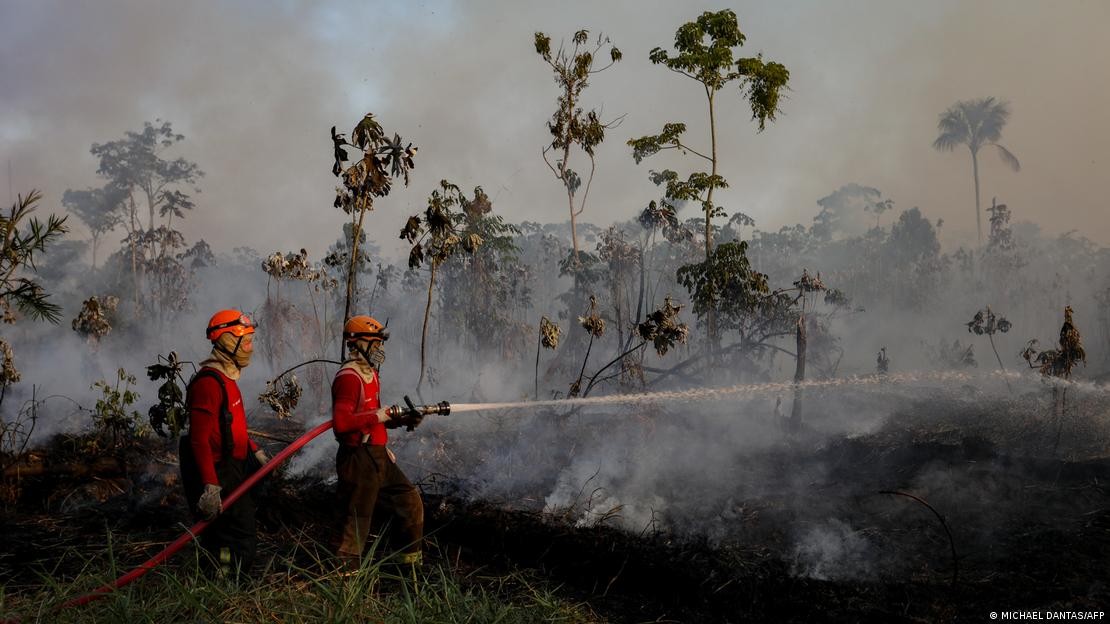
The World Meteorological Organization (WMO), a United Nations agency, has issued a warning that the El Niño phenomenon, already present in the Pacific Ocean, is expected to rapidly intensify between July and September. This strengthening is projected to increase the global risk of extreme weather events such as heatwaves, droughts, and heavy rainfall. Projections from major meteorological centers indicate significant warming of the equatorial Pacific waters, with sea surface temperatures potentially exceeding the average by over 2°C in monitored areas. The WMO's confidence in these forecasts is high due to consistent model results, suggesting this El Niño episode will be classified as strong. The phenomenon is expected to continue strengthening through the second half of the year, peaking between November and February. Celeste Saulo, Secretary-General of the WMO, stated that El Niño is already underway and will likely become a strong event, elevating the chances of droughts, intense rains, and heatwaves across both land and ocean regions. Even moderate El Niño events, occurring in an already warming world, are increasing the risk of extremes. The last strong El Niño event from 2014-2016 was linked to record heat and frequent extremes, while the 2023-2024 event is also considered one of the most intense on record. El Niño is characterized by an abnormal warming of Pacific waters near the equator, part of a natural climate cycle that alternates with La Niña (cold phase) and neutral phases, impacting global weather patterns. In Brazil, El Niño typically brings increased rainfall to the South and reduced rainfall to the North and parts of the Northeast, along with more irregular precipitation in the Southeast and Center-West, and a higher frequency of heatwaves. Scientists emphasize that global warming remains the primary driver of climate change, with already warmer oceans exacerbating the impacts of El Niño.
The WMO's alert highlights the complex interplay between natural climate cycles like El Niño and anthropogenic global warming. While El Niño is a naturally occurring phenomenon that influences weather patterns by altering ocean-atmosphere dynamics, its impacts are amplified on a planet already experiencing rising average temperatures. This convergence suggests that future extreme weather events may become more frequent and intense, posing significant challenges for infrastructure, agriculture, and global stability. The WMO's emphasis on the strengthening El Niño and its potential for strong impacts underscores the need for adaptive strategies and robust climate resilience planning. Understanding these cyclical and long-term warming trends is crucial for anticipating and mitigating future risks, prompting a re-evaluation of preparedness measures across various sectors and regions.
AI-generated to prompt reflection — not editorial opinion, not advice, not a statement of fact. How this works.