UN Warns of Humanitarian Crisis for Seafarers Stranded in Strait of Hormuz
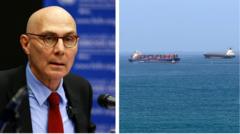
The United Nations Human Rights Council has issued a stark warning about a severe humanitarian and human rights crisis unfolding in the Strait of Hormuz. The council is calling for immediate action to address the plight of thousands of seafarers who have become stranded in the vital waterway in recent months. This situation poses significant risks to the well-being and fundamental rights of these individuals. The UN's intervention highlights the gravity of the issue and the urgent need for international cooperation to resolve it. The specific details regarding the number of stranded vessels and the duration of their confinement have not been fully elaborated but the scale is described as affecting thousands of seafarers. The council's statement underscores the potential for a worsening situation if swift measures are not implemented. The Strait of Hormuz is a critical chokepoint for global oil transit, making the disruption of maritime traffic a matter of international concern. The human rights implications for the trapped crews are paramount, with concerns likely encompassing access to food, water, medical care, and safe repatriation. The UN's call to action aims to mobilize relevant stakeholders to find a sustainable solution.
The UN Human Rights Council's alert regarding seafarers in the Strait of Hormuz flags potential systemic failures in maritime governance and international cooperation. The situation highlights the vulnerability of global supply chains and the individuals who maintain them, particularly in geopolitically sensitive regions. The economic and security implications of such blockages are significant, but the focus here is on the human rights dimension. Future-proofing such critical transit zones will require robust contingency planning, clear protocols for stranded crews, and diplomatic mechanisms to de-escalate tensions that lead to such disruptions. Addressing the root causes of these standoffs, whether political or economic, is essential to prevent future humanitarian crises at sea.
AI-generated to prompt reflection — not editorial opinion, not advice, not a statement of fact. How this works.