UN Warns of Strong El Niño Developing Between July and September
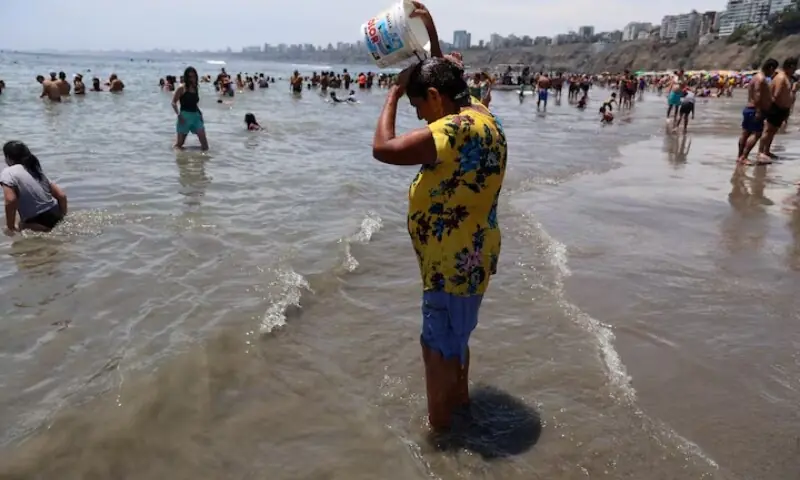
The United Nations weather agency has warned that El Niño conditions have already begun and are expected to rapidly strengthen into a strong event between July and September. This natural climate phenomenon, which warms surface temperatures in the equatorial Pacific, is forecast to significantly increase the likelihood of extreme weather events globally. The World Meteorological Organisation (WMO) classifies this development as reaching the third-highest level of intensity out of four. Leading climate centers' models show consistent and significant ocean temperature warming in key monitoring regions, with anomalies expected to exceed 2°C. This strong El Niño is predicted to continue strengthening through the Northern Hemisphere autumn, influencing weather patterns worldwide. The WMO chief, Celeste Saulo, emphasized that this intensification raises the chances of drought, heavy rainfall, and heatwaves on land and in the oceans. The agency is enhancing early warning systems to aid preparedness in climate-sensitive sectors like agriculture and health. The forecast indicates a high probability of above-average temperatures across most populated land areas. Rainfall patterns are expected to show above-normal precipitation in parts of the southwestern U.S. and below-normal rainfall across the Indian subcontinent and much of Australia. While climate change does not increase El Niño's frequency or intensity, the WMO notes it can amplify its impacts by providing more energy and moisture for extreme weather. El Niño's warm waters may fuel hurricanes in the central and eastern Pacific during the Northern Hemisphere summer while potentially hindering Atlantic hurricane development.
The WMO's warning highlights the predictable yet impactful nature of El Niño, a natural climate cycle. While the phenomenon itself is not new, its interaction with a warming planet, driven by anthropogenic climate change, warrants careful consideration. The agency's assertion that climate change amplifies El Niño's effects, rather than causing it, points to a critical nexus: human-induced warming exacerbates the consequences of natural climate variability. This suggests that global preparedness strategies must account for both the cyclical nature of El Niño and the baseline warming trend. The increased likelihood of extreme weather events underscores the need for robust, forward-looking infrastructure and policy frameworks that can adapt to more volatile conditions. Future planning should integrate these climate predictions to mitigate risks to agriculture, water resources, and public health, recognizing that the combined effects of natural cycles and human-induced warming present a growing challenge.
AI-generated to prompt reflection — not editorial opinion, not advice, not a statement of fact. How this works.