UN Women Cameroon champions empowerment of women living with HIV for national development
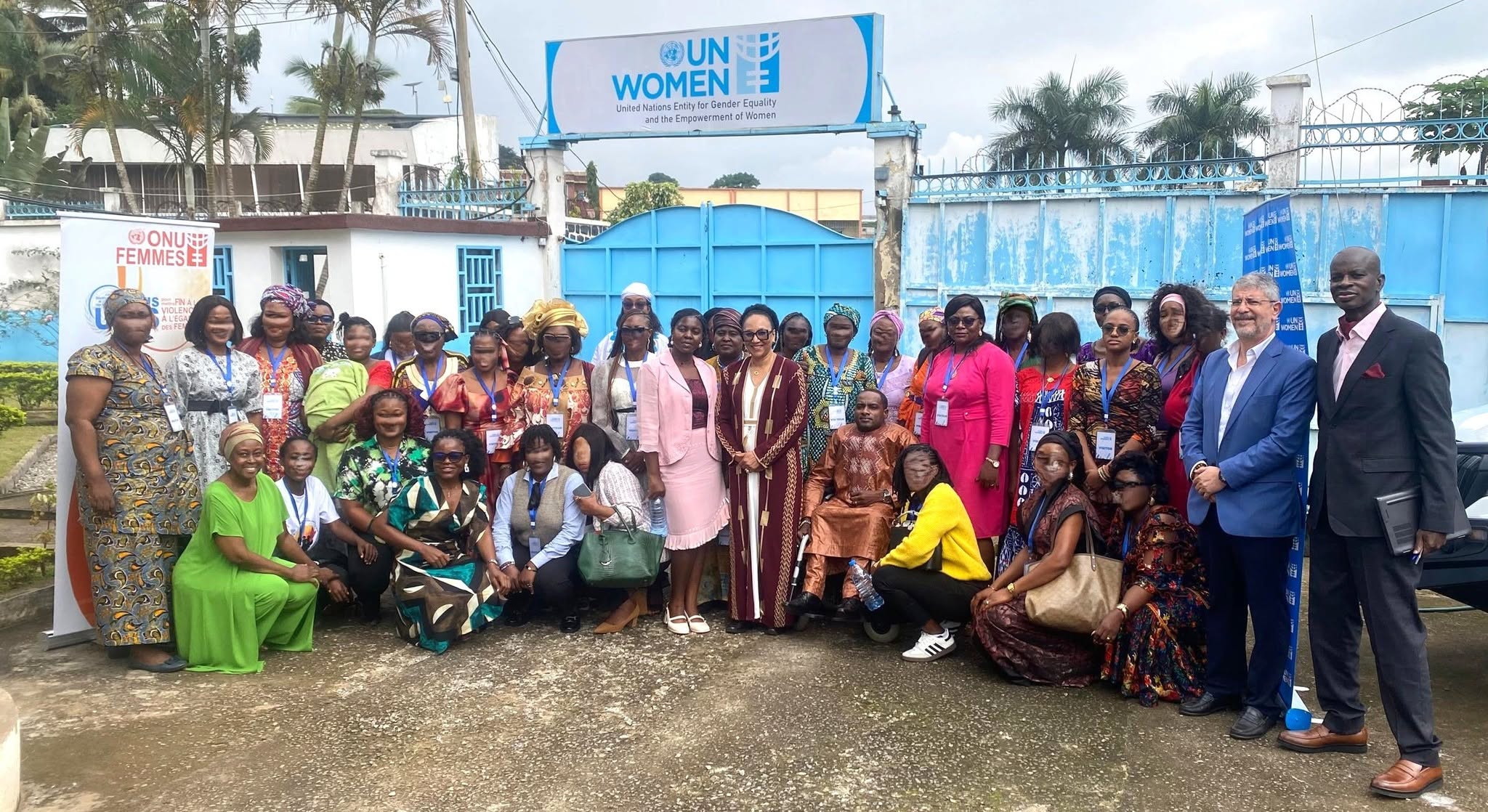
UN Women Cameroon has initiated a dialogue platform aimed at integrating the rights, economic inclusion, and social protection of women living with HIV into public policy. This initiative seeks to leverage the empowerment of these women as a critical factor for Cameroon's national development. On June 29, 2026, UN Women Cameroon convened 35 participants from government institutions, UN agencies, and community networks to enhance the national response by incorporating the specific realities faced by women affected by HIV. Discussions highlighted persistent challenges, noting that despite progress from the 'Test and Treat' strategy and the 2024-2025 CAMPHIA survey, women constitute nearly two-thirds of adults living with HIV in Cameroon. Adolescent girls and young women aged 15-24 account for approximately 19% of new infections, a vulnerability exacerbated by gender-based violence, economic disparities, and limited access to sexual and reproductive health services. Testimonies also revealed the enduring impact of stigma, isolation, and psychological distress associated with diagnosis. Recommendations from the meeting emphasized strengthening psychosocial support, improving access to public training and entrepreneurship programs, and increasing support for community organizations. UN Women plans to embed these priorities into its upcoming national strategy, advocating for an HIV response that integrates health, social justice, and economic autonomy for women.
This initiative by UN Women Cameroon addresses a critical intersection of public health and gender equality, framing the empowerment of women living with HIV as a development imperative. The data presented, indicating a disproportionate burden of HIV among women and young females, alongside contributing factors like gender-based violence and economic inequality, underscores systemic vulnerabilities. The focus on integrating their needs into national policy and providing psychosocial and economic support reflects a recognition that health outcomes are intrinsically linked to social determinants. Looking ahead, the success of such strategies will depend on robust implementation, sustained funding, and effective collaboration between governmental bodies, international organizations, and community-based groups to dismantle stigma and ensure equitable access to resources and opportunities within the evolving landscape of public health and economic development.
AI-generated to prompt reflection — not editorial opinion, not advice, not a statement of fact. How this works.