UN Working Group Denounces State Neglect of Forced Disappearance Victims in Guatemala
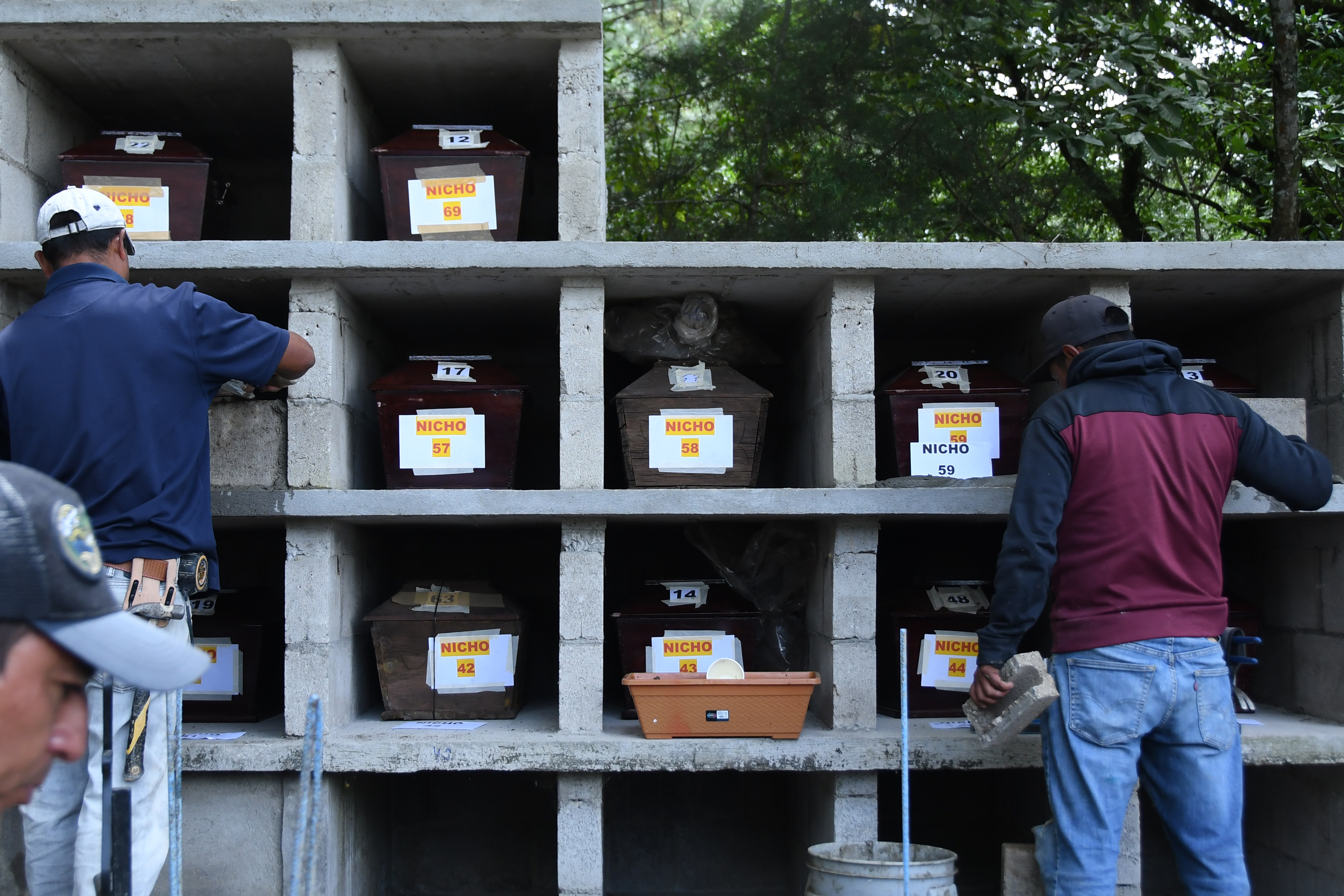
The UN Working Group on Enforced or Involuntary Disappearances has publicly denounced the state's abandonment of victims and their families in Guatemala. This condemnation highlights a critical failure in addressing the profound suffering and ongoing challenges faced by those affected by forced disappearances. The group's statement underscores the lack of adequate support and recognition from the Guatemalan state for these vulnerable individuals and their relatives. This situation perpetuates the trauma and uncertainty experienced by families searching for answers and justice. The Working Group's intervention signals a serious concern regarding Guatemala's compliance with international human rights standards. It calls for urgent action to ensure victims receive the necessary assistance and that the state fulfills its obligations. The denunciation emphasizes the need for comprehensive measures to prevent future disappearances and to provide redress for past violations. The report aims to shed light on the persistent plight of victims and advocate for systemic change.
The UN Working Group's denunciation points to a systemic governance gap in Guatemala concerning the protection of vulnerable populations and the administration of justice for victims of severe human rights violations. The state's alleged neglect, if substantiated, suggests a failure to implement robust investigative mechanisms and provide adequate psychosocial and material support to families. Such failures can perpetuate cycles of impunity and undermine public trust in state institutions. From a future-oriented perspective, addressing these systemic weaknesses is crucial for Guatemala's long-term stability and its integration into global human rights frameworks. Effective state responses are essential not only for immediate victim support but also for building societal resilience against authoritarian tendencies and ensuring accountability in the digital age.
AI-generated to prompt reflection — not editorial opinion, not advice, not a statement of fact. How this works.