Unaí Distributes 2026 IPTU Tax Bills, Offering Discounts and Detailing Payment Options
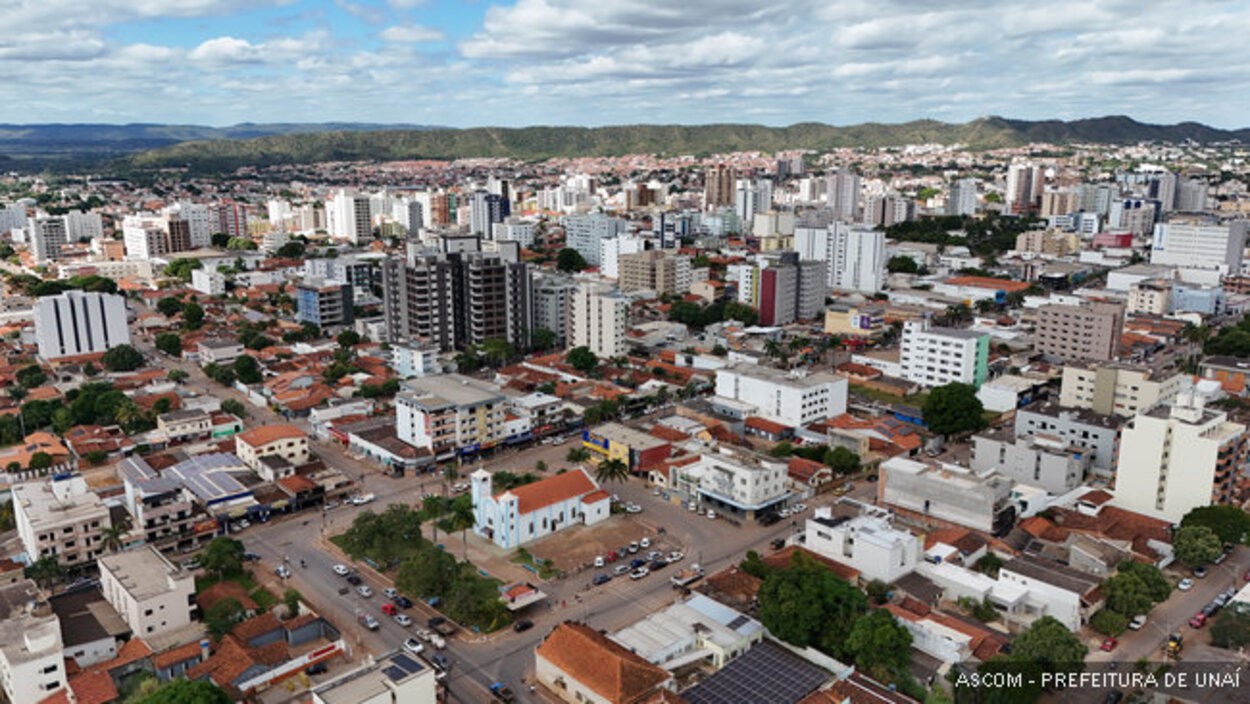
Taxpayers in Unaí, Brazil, are now receiving their Property and Urban Land Tax (IPTU) bills for 2026. The municipal government is distributing these bills via mail, but residents can also access and print them online through the Prefeitura's website or the Cidadão Online mobile application by using their CPF number. The deadline for a 5% discount on a single lump-sum payment is August 15, 2026. For those opting for installment payments, the first of five installments is also due on August 15, with subsequent installments due on the 15th of each following month. The municipal government clarified that there has been no increase in the IPTU tax rates; residential properties are taxed at 0.6% and commercial properties at 1.2%. The variation in amounts compared to 2025 is due to a 4.26% monetary update based on the official inflation rate (IPCA) for 2025. The IPTU bills also include a garbage collection fee, which varies by property location, though it is not charged for vacant lots. Property owners with walled and paved vacant lots receive a 25% discount on their IPTU, while those without walls and sidewalks face a 10% penalty. Additionally, property owners who have previously requested it from the Municipal Secretariat of the Environment may receive a discount if trees are present in front of their properties. The collected IPTU funds are allocated with 25% for education, 15% for health, and the remaining 60% for urban services like cleaning, lighting, road maintenance, infrastructure upkeep, and public works.
The distribution of IPTU tax bills in Unaí highlights the operational mechanisms of municipal revenue collection and public service funding. The tiered discount structure incentivizes timely, full payment, potentially improving cash flow for the municipality. The allocation of funds towards education, health, and infrastructure demonstrates a commitment to essential public services, aligning with common urban governance priorities. The explanation regarding tax rate stability versus monetary adjustment addresses potential taxpayer concerns about rising costs, emphasizing adherence to inflation-linked legislative frameworks. The differentiated treatment of vacant lots and the incentives for property maintenance (walls, sidewalks) suggest policy efforts to encourage urban upkeep and compliance with local ordinances. Future considerations might involve optimizing digital access for greater convenience and exploring further incentives for sustainable property features, aligning with broader environmental and smart city trends.
AI-generated to prompt reflection — not editorial opinion, not advice, not a statement of fact. How this works.