UNAIDS Warns of HIV Epidemic Resurgence Risk Amid Funding Cuts
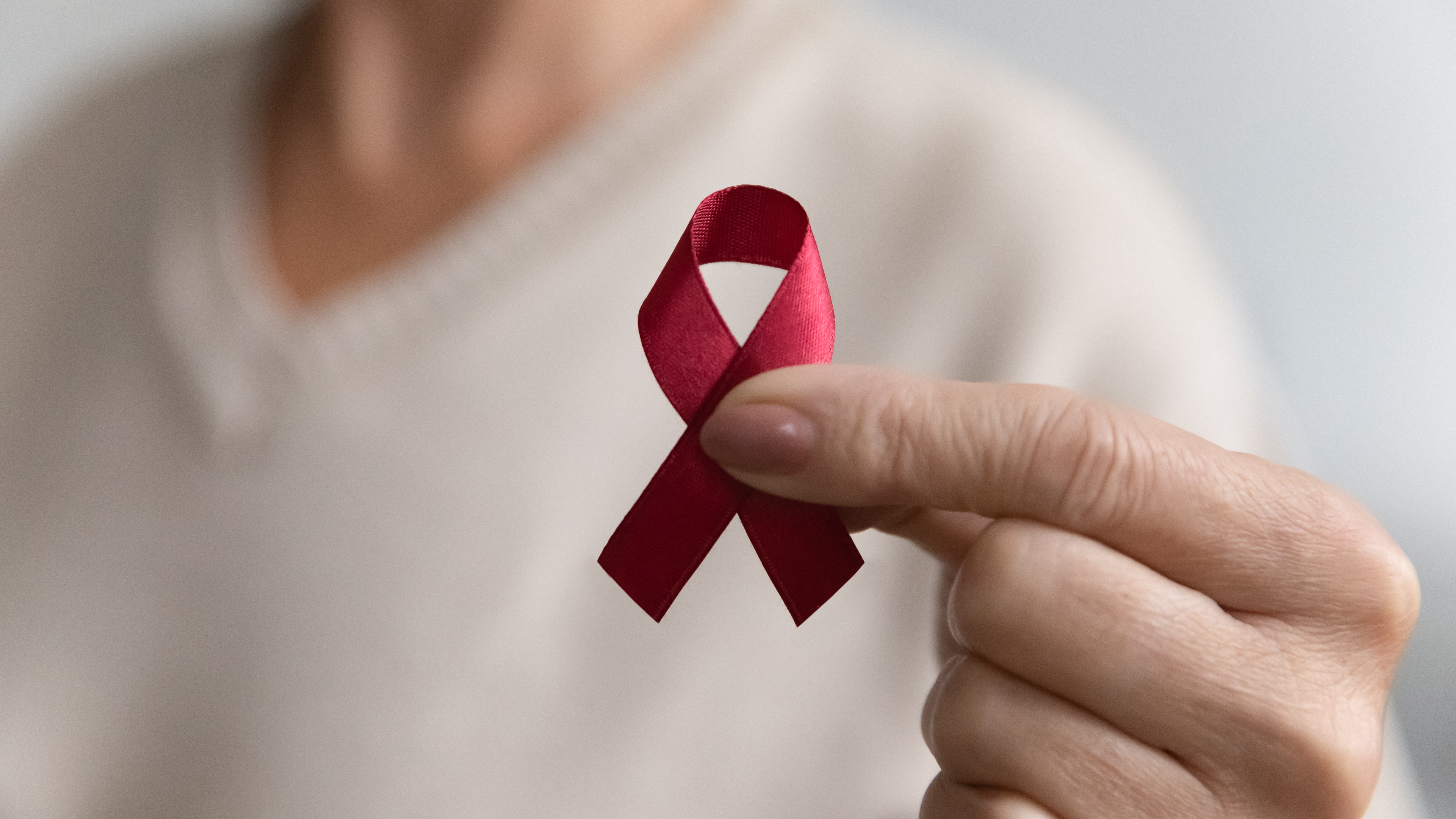
A new report from the Joint United Nations Programme on HIV/AIDS (UNAIDS) warns that global progress against HIV is at risk of reversal due to declining international funding and reduced community services. The report, titled "United and United to End AIDS," was released during the 26th International AIDS Conference in Rio de Janeiro. Despite new infections and AIDS-related deaths being at their lowest in 30 years, UNAIDS highlights that the global response is weakened, jeopardizing the goal of ending AIDS as a public health threat by 2030. In 2025, 1.2 million new HIV infections and 570,000 AIDS-related deaths were recorded worldwide.
The report indicates significant disparities in progress across countries. While some nations have drastically reduced new infections and met treatment targets, others have seen advancements slow or reverse. In 2025, new infections increased in three regions, and 21 countries experienced a rise in cases. Approximately 22% of the 41 million people living with HIV were not on treatment, and nearly half of children with HIV lacked access to antiretroviral therapy. Scientific advancements, including monthly and semi-annual injectable medications and new oral treatments, offer unprecedented prevention tools, but access remains a major obstacle, with UNAIDS Executive Director Winnie Byanyima emphasizing that innovation is meaningless without broad, affordable access.
International development assistance saw an 18% drop in HIV-specific funding from $8.8 billion in 2024 to $7.3 billion in 2025, the lowest in nearly two decades. This decline disproportionately affects low-income African nations heavily reliant on external aid. Community-led programs, crucial for reaching vulnerable populations, have been severely impacted, with significant reductions in services for key groups. Furthermore, the report notes an alarming increase in the criminalization of vulnerable populations, including same-sex relations and sex work, which hinders access to essential HIV services and undermines public health efforts.
The UNAIDS report underscores a critical juncture in the global HIV response, where scientific breakthroughs in prevention and treatment are juxtaposed against significant funding shortfalls and systemic inequities. The analysis suggests that the efficacy of advanced medical interventions is contingent upon robust, equitable access, which is currently undermined by declining international aid and the erosion of community-based services. This situation highlights a potential contradiction: while technological capacity to combat HIV is advancing, the socio-economic and political will to deploy these tools universally is faltering. The report's findings on increased criminalization of vulnerable groups further complicate the public health landscape, creating barriers to care and reinforcing cycles of marginalization. Moving forward, a sustainable strategy may require a paradigm shift towards greater domestic investment and innovative financing mechanisms, alongside a renewed commitment to human rights as a foundational element of effective public health interventions, particularly in the context of an evolving global geopolitical and economic climate.
AI-generated to prompt reflection — not editorial opinion, not advice, not a statement of fact. How this works.