Unair Alumna Dies in Military Training Exercise, Sparks Protest
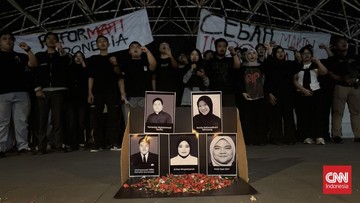
Anisa Muyassaroh, an alumna of Universitas Airlangga (Unair), has tragically died during a military training exercise known as Kopdes. The incident has prompted a theatrical protest at Unair, where students are using performance art to criticize the safety protocols and conduct of the training. The protest highlights concerns over the risks participants face in such exercises. The death of Muyassaroh, a former student of the university, has brought the issue to the forefront of campus discourse. This event raises questions about the adequacy of supervision and safety measures implemented during the Kopdes training. The theatrical demonstration aims to draw public attention to the potential dangers involved and to advocate for stricter regulations. The university community is grappling with the loss and the implications for future training programs. The protest serves as a call for accountability and a review of the procedures governing these military-style drills.
The tragic death of Anisa Muyassaroh during the Kopdes military training exercise, an event that has spurred a theatrical protest at Universitas Airlangga, underscores a critical tension between rigorous training methodologies and participant safety. Such incidents highlight the imperative for robust risk assessment and oversight mechanisms in all forms of intensive skill development, especially those involving physical exertion and potential hazards. Moving forward, institutions offering or sanctioning such training must prioritize comprehensive safety protocols, including adequate medical support and emergency response plans, to mitigate foreseeable risks. The protest itself, utilizing a theatrical medium, reflects a societal demand for greater transparency and accountability from organizations conducting high-risk activities. This event prompts a broader consideration of how to balance the perceived benefits of demanding training with the non-negotiable right to safety for all participants, particularly in an era where the ethical implications of organizational practices are under increasing scrutiny.
AI-generated to prompt reflection — not editorial opinion, not advice, not a statement of fact. How this works.