Unapproved Retatrutide Illegally Sold in Brazil, Seizures Skyrocket
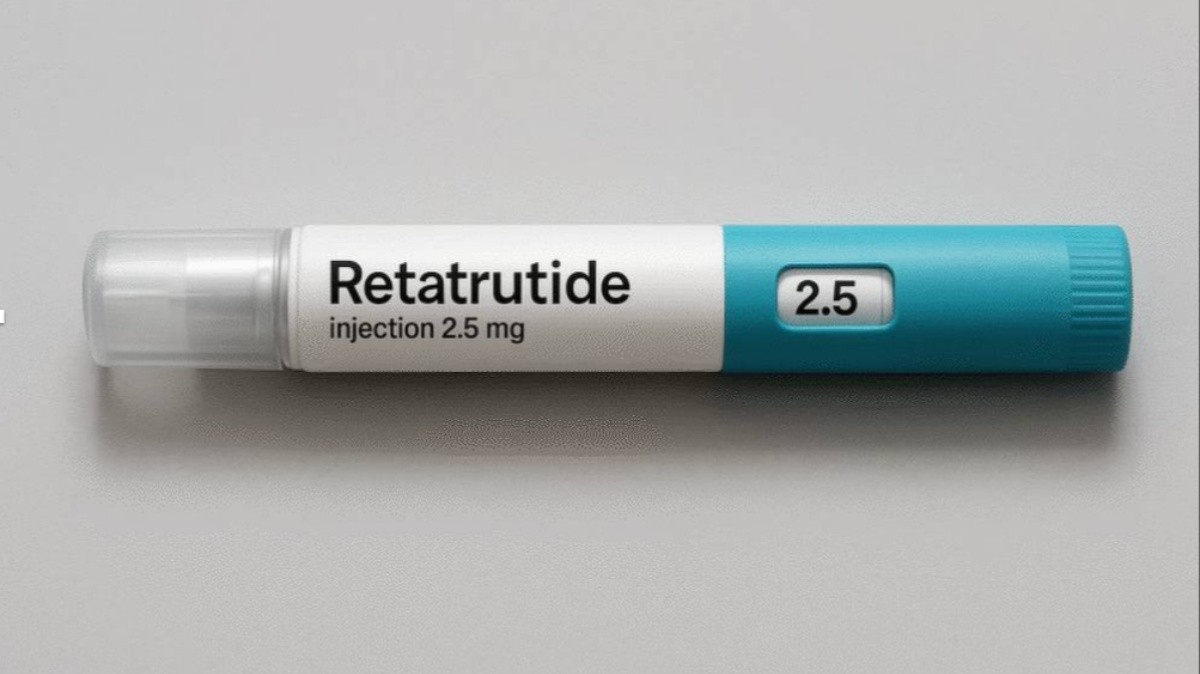
Retatrutide, a novel weekly injection showing significant weight loss potential, is being illegally sold in Brazil despite not being approved in any country. Currently, the only legal way to obtain retatrutide is by participating in clinical trials conducted by its developer, Eli Lilly. No regulatory agency worldwide has approved its sale or provided an official drug label. Nevertheless, pens containing the substance are circulating on websites and social media, and significant seizures are occurring at the Brazilian border. The value of retatrutide seized in the first three months of 2026 has already surpassed the total for all of 2025, exceeding R$11 million. A Paraguayan company even promoted pens based on the substance at an event with Brazilian influencers before Eli Lilly released robust study data. In June, a study published in The Lancet revealed an average weight loss of 28.3% in patients with type 2 diabetes using the highest dose. Eli Lilly itself acknowledged the risk of illegal circulation prior to official approval. Brazil's National Health Surveillance Agency (Anvisa) has formally confirmed that retatrutide is still in clinical development and has not had a registration request submitted in Brazil or elsewhere. Retatrutide is considered a next-generation medication for obesity treatment, acting on three receptors—GLP-1, GIP, and glucagon—to enhance satiety and energy expenditure. While promising, the substance is not yet legally available, and its illicit sale poses serious risks regarding composition, purity, and potential adverse reactions.
The illicit market for unapproved pharmaceuticals like retatrutide highlights a critical tension between rapid medical innovation and regulatory oversight. While Eli Lilly's research indicates significant therapeutic potential, the premature availability of the drug outside of controlled clinical trials creates substantial risks for consumers. The surge in seizures underscores the challenge regulatory bodies face in controlling cross-border distribution of unverified substances. This situation prompts consideration of how to balance patient access to potentially life-changing treatments with the imperative to ensure product safety and efficacy. Future regulatory frameworks may need to address the speed of market entry for groundbreaking therapies while mitigating the dangers posed by unregulated supply chains and the potential for counterfeit or impure products.
AI-generated to prompt reflection — not editorial opinion, not advice, not a statement of fact. How this works.