Unapproved Weight Loss Drug Retatrutide Sold Illegally in Brazil
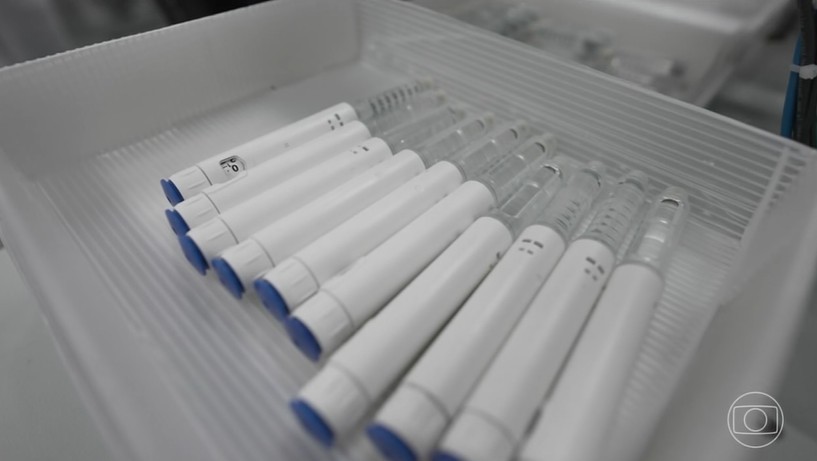
The unapproved weight loss drug retatrutide is being sold clandestinely in Brazil, marketed as an "obesity pen." Sellers claim the substance, allegedly imported from the United States, has no side effects and is shipped daily to São Paulo. However, the manufacturer studying retatrutide states it has not been evaluated or approved by any global regulatory authority. Brazil's health regulatory agency, Anvisa, has prohibited the product, warning that any retatrutide available on the market poses health risks to patients. Retatrutide is being developed as an injectable treatment for obesity and diabetes, designed to act like three hormones simultaneously. It aims to reduce appetite, burn fat, and prompt the liver to expend stored energy. Experts caution that unverified versions of the substance lack guaranteed efficacy and safety. The Brazilian Society of Endocrinology and Metabology warns that the side effects of unknown substances are unpredictable, potentially causing inflammation, fever, or damage to organs like the liver. They emphasize the availability of safe and effective medications and advise seeking medical guidance, as unvalidated substances can have severe or even fatal consequences.
The clandestine sale of unapproved pharmaceuticals like retatrutide highlights a significant market failure in accessible and regulated weight management solutions. Consumers seeking rapid weight loss are exposed to substantial health risks due to the lack of regulatory oversight and quality control. This situation underscores the tension between the pharmaceutical industry's pace of innovation and the imperative for public health and safety. The dual promise of novel treatments for obesity and diabetes, coupled with the allure of quick fixes, creates fertile ground for illicit markets. Future regulatory frameworks may need to balance faster approval pathways for promising therapies with robust post-market surveillance to prevent such dangerous circumvention and ensure patient well-being.
AI-generated to prompt reflection — not editorial opinion, not advice, not a statement of fact. How this works.