Unauthorized Wadlopen Organizer Faces Fines After Ameland Rescue
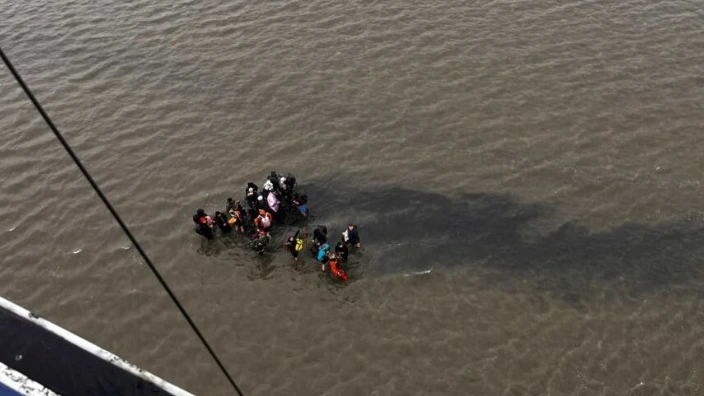
An investigation by the province of Friesland has revealed that the organization leading a group of 32 wadlopers (mudflat hikers) who encountered trouble near Ameland on May 17th was operating without a required permit. The group, which included four guides, had been on a partial night hike for about four hours when they ran into difficulties around 06:45 AM southeast of Ameland. A portion of the group became hypothermic due to a deep channel and mudflat in the area. The Coast Guard rescued 24 individuals using helicopters and ropes, while the KNRM (Royal Netherlands Sea Rescue Institution) brought the remaining eight ashore by boat. The two-hour rescue operation significantly impacted the hikers, who had not anticipated such peril. Following the incident, the province is considering imposing a penalty on the organizer, requiring them to pay a fine if such an event recurs. The organizer, whose name has not been disclosed, will have an opportunity to respond to the findings. The province will also seek advice from the independent Wadlopen Safety Advisory Committee (VACW). Separately, on June 12th, another group of ten wadlopers faced issues when caught by the rising tide, but they were all safely rescued by helicopter and did not require hospitalization. That incident is also under investigation.
The incident highlights systemic vulnerabilities in the regulation and oversight of adventure tourism activities like wadlopen. The lack of a permit and insufficient guides suggest a potential gap in enforcement or a deliberate circumvention of safety protocols by the organizer, prioritizing operation over compliance. This raises questions about the efficacy of current licensing and monitoring mechanisms to prevent unauthorized or unsafe excursions. The province's proposed 'last onder dwangsom' (order subject to a penalty) aims to deter future non-compliance, but its effectiveness hinges on robust monitoring and swift enforcement. Looking ahead, as such activities gain popularity, a more proactive approach to risk assessment and operator accountability, potentially leveraging technology for real-time monitoring, may be necessary to ensure public safety and preserve the integrity of these unique natural experiences.
AI-generated to prompt reflection — not editorial opinion, not advice, not a statement of fact. How this works.