Unbuilt 'Trump Castle' Plans Emerge After 40 Years
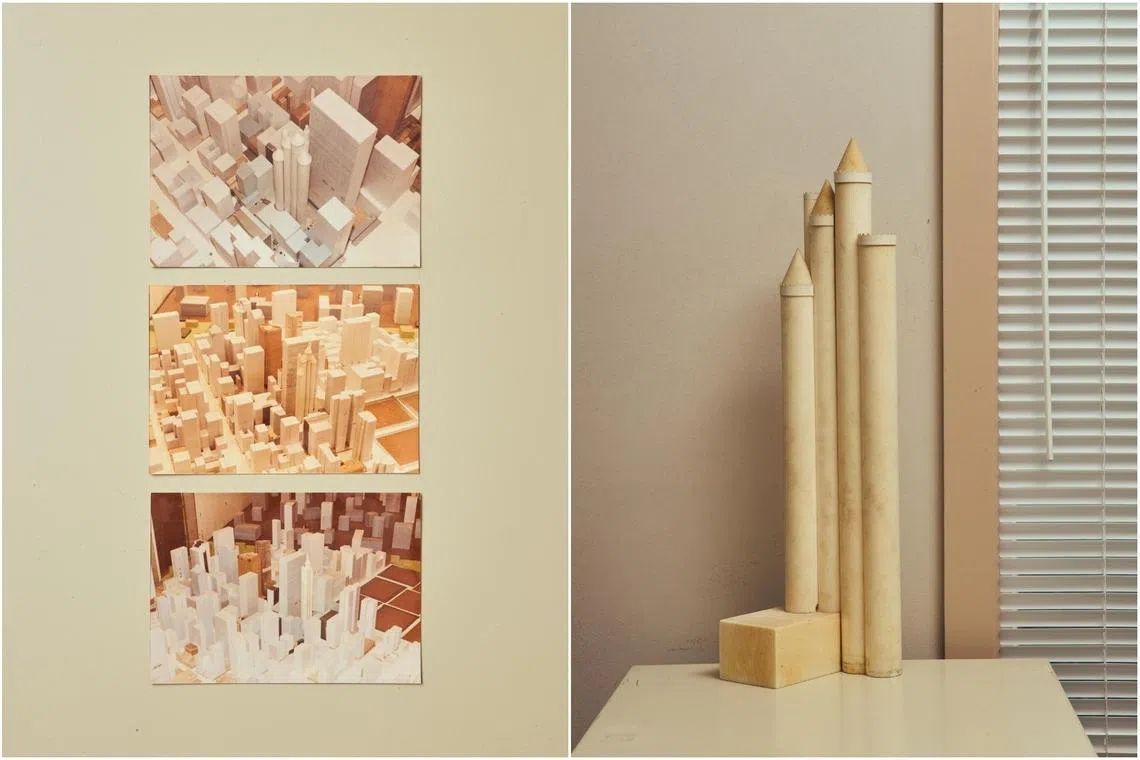
Plans for a never-realized "Trump Castle" on Madison Avenue have surfaced approximately 40 years after they were initially conceived. The ambitious design for the building, which ultimately never progressed beyond the drawing board, included elaborate features such as drawbridges and a moat. These plans offer a glimpse into a potential development that could have significantly altered the Manhattan skyline. The project, conceived during a different era of New York City's real estate development, highlights the speculative nature of large-scale architectural endeavors. While the castle was never built, the emergence of these plans provides a historical footnote in the career of Donald Trump and the city's architectural past. The details suggest a grandiose vision, characteristic of projects from that period. The fate of these plans and the reasons for the project's cancellation remain a subject of historical interest.
The resurfacing of these unbuilt architectural plans, conceived decades ago, offers a retrospective on aspirational real estate development. It prompts consideration of how market conditions, economic cycles, and evolving urban planning regulations influence the viability of ambitious projects. Examining such proposals can illuminate shifts in design aesthetics, construction feasibility, and the long-term impact of large-scale developments on cityscapes. Understanding the factors that lead to the abandonment of grand designs, even those associated with prominent figures, provides valuable insights into the inherent risks and strategic decision-making within the real estate sector.
AI-generated to prompt reflection — not editorial opinion, not advice, not a statement of fact. How this works.